
NEWS
luxury villas italy le collectionist: The Ultimate Guide to Italian Elegance

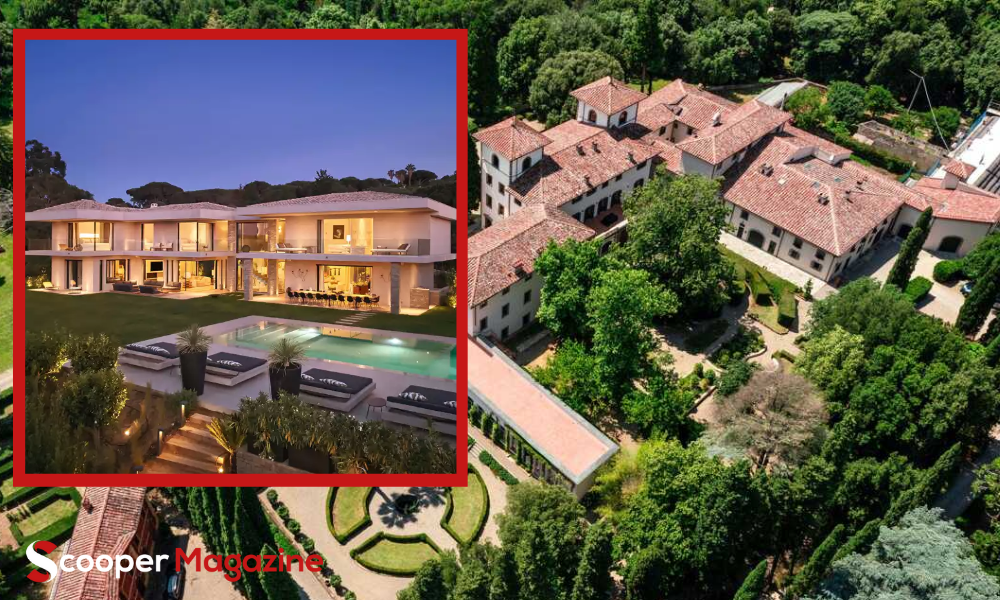 luxury villas italy le collectionist Imagine stepping off a private car in the Tuscan countryside, greeted by rolling vineyards, golden light and the doors of your own exclusive villa swinging open. That’s the kind of escape offered by luxury villas Italy Le Collectionist. Beyond mere accommodation, it’s a full immersion into la dolce vita—with top-tier comfort, bespoke service and the charm of Italy’s finest homes.
Whether you’re travelling with family, friends or a multi-generational group, these villas redefine “holiday home”. With more than 170 Italian villas in their portfolio, Le Collectionist brings together hand-picked estates in iconic regions—from Lake Como to the Amalfi Coast, from Sicily to Puglia.
From the moment you book to the minute you depart, the experience is personalised, luxurious, and deeply Italian. Read on to explore how Le Collectionist delivers and what you should know before you go.
Why choose Le Collectionist for luxury villas in Italy
Choosing a villa rental is easy; choosing one backed by a luxury-concierge brand like Le Collectionist is a game-changer. Here’s why:
-
Curated selection – Every villa in the portfolio is vetted for quality, location, design and service. Le Collectionist describes it: “Each house in our collection is a match between our criteria of excellence and a love at first sight.
-
360° service – More than a booking platform, you receive personalised travel advice, local concierges, optional in-villa chefs, wellness staff and tailored experiences.
-
Global reputation & trust – As a B Corp certified company, Le Collectionist demonstrates commitment not just to luxury, but to authenticity, sustainability and responsible travel.
-
Italian-tailored expertise – With villas across Italy’s prime destinations, they know local culture, logistics and hidden gems—so you don’t just “stay in Italy”, you live it.
In short: when you search for luxury villas Italy Le Collectionist, you’re looking for more than four walls and a pool—you’re looking for an elevated stay that blends place, comfort and service.
Regions & destinations: luxury villas Italy Le Collectionist covers
Le Collectionist spans some of Italy’s most desirable villa-destinations. Here are major regions you should consider:
Tuscany
Think gentle hills, vineyard-lined estates, stone farmhouses and a slow, luxurious pace. The Toscano villas offer serenity, wine tasting, countryside drives and art-filled towns.
Amalfi Coast
Cliffside villas overlooking azure seas, lemon groves, private funiculars—this is the glamour of Italy. Villas by Le Collectionist on the Amalfi Coast allow you to stay above Positano or Ravello with sweeping views.
Lake Como
Majestic villas, docked boats, historic facades and lakeside elegance. For those seeking refined calm and aristocratic style, villas here are unbeatable.
Puglia & Sicily
Rustic meets luxury. In Puglia you’ll find trulli houses and olive-grove estates; in Sicily, ancient walls meet modern comforts with beach access and rich culture.
Sardinia & Other Hidden Gems
For beach lovers wanting exclusivity, Sardinia offers private-beach villas and high-end seclusion. Italy’s leading luxury-villa agency makes sure even these off-beat regions are covered.
Signature villa features: what sets these properties apart
What distinguishes the luxury villas Italy Le Collectionist from regular holiday homes? Here are standout features:
-
Designer interiors – Thoughtfully furnished with local artisan touches, antique elements or ultra-modern décor. The blend of authentic Italian architecture with modern luxury is key.
-
Private pools & gardens – Infinity pools facing vineyards or sea, manicured gardens, olive groves, outdoor dining under cypress trees.
-
Secluded locations – Privacy is premium. Many villas offer direct beach access, boat docks, outdoor cinema or multiple terraces so your group has space and retreat.
-
High-end amenities – Think spa rooms, home cinemas, wine cellars, chef’s kitchens, helipads or private docks. The aim is not just luxury but bespoke comfort.
-
Fully staffed options – Housekeepers, chefs, butlers, sometimes kids clubs—depending on villa and budget. The size of your group and stay-style influences the level of service.
Tailor-made services & concierge experience with Le Collectionist
The villa is just the beginning. What truly elevates your holiday is the concierge layer:
-
Personal advisor – From first contact you’ll be matched to a specialist who understands your group size, preferences, children, pets or special events.
-
Custom itineraries – Wine tastings in Chianti, yacht charter along the Amalfi cliffs, truffle hunts in Sicily, private chef dinners under the stars—they craft experiences, not just stays.
-
Logistics handled – Transfers, airport pickup, driver service, grocery stock-ups on arrival, babysitting or in-villa wellness sessions—they aim for zero stress.
-
24/7 support – Local teams are available round the clock to ensure your stay flows seamlessly.
This means when you book with luxury villas Italy Le Collectionist, you’re paying for peace of mind, not just property.
Booking tips and how to select the perfect villa
To maximize your stay and value, keep these in mind:
-
Define your purpose – Romance, family reunion, friends trip, celebration? The group’s purpose changes region, size and amenities.
-
Set your must-haves – Pool? Beach access? Pet friendly? Staff included? Share these early.
-
Book early – Summer and key holidays fill fast. The best villas often go 12-18 months in advance.
-
Be flexible with dates – Shoulder seasons (May-June, September) offer lower rates and fewer crowds.
-
Understand costs – Price depends on region, size, season, staffing. Some listings list from ~€4,000/week in off-season, while flagship villas in peak summer can exceed €30,000/week.
-
Check service details – What’s included in the rental? What requires extras? Clarify before booking.
-
Ask about local experiences – A villa is amazing on its own, but the memories come from what you do there.
When to visit Italy & seasonal considerations
Timing matters when it comes to luxury villas Italy Le Collectionist:
-
Spring (April–June): Mild weather, blooming landscapes, ideal for countryside villas, fewer crowds.
-
Summer (July–August): Peak beach season, hot weather, busiest tourist spots. If you’re aiming for Amalfi or Lake Como, this is it.
-
Early Autumn (September–October): Harvest time, pleasant temperatures, great for wine regions and food lovers.
-
Off-season (November–March): For ski destinations or quiet retreats, but some villas may reduce staffing or amenities.
Location-specific:
-
Beach villas shine in summer.
-
Countryside villas offer superb value in the shoulder season.
-
Northern Italy villas may be cooler early spring or late autumn.
Sustainability, authenticity and the future of luxury villas Italy Le Collectionist
Luxury today is not just about opulence—it’s about conscious travel. Le Collectionist’s B Corp certification underscores this commitment.
Some actions:
-
Emphasis on local sourcing (food, staff, experiences)
-
Eco-friendly features in some villas (solar panels, energy-efficient systems)
-
Supporting regional craft, architecture and heritage
The future of luxury villas in Italy lies in melding authenticity with refined ease—staying in homes that feel part of place, not just detached luxury pods.
Real guest experiences and highlights of villas by Le Collectionist in Italy
Here are a couple of standout examples:
-
Villa San Martino – Tuscany
A restored 15th-century monastery with private chapel, wine cellar over 500 bottles, infinity pool overlooking vineyards. -
Villa Positano Dream – Amalfi Coast
Perched above the sea, direct beach access via funicular, spa suite, home cinema. -
Villa Como Elegante – Lake Como
Belle Époque architecture, lake-front terrace, private boat dock with classic wooden boats.
Guests often highlight: panoramic views, staff services, freedom to relax, and the seamless blend of local culture with luxury.
Cost expectations, value and what you get
While luxury comes at a premium, the value is in the experience.
Average range by region (indicative):
-
Puglia & Sicily: from ~€4,000-€15,000/week (off-peak to mid)hb
-
Tuscany & Amalfi: from ~€8,000-€25,000/week depending on size & season
-
Lake Como and ultra-exclusive estates: can exceed €30,000+ per week
What you get: private home, premium setting, staff/concierge services, top amenities, curated experiences.
Budgeting tip: allocate 20-30% of your overall travel spend for villa + services; the rest for flights, experiences, meals off-site.
Conclusion: luxury villas Italy Le Collectionist and your next escape
When you choose luxury villas Italy Le Collectionist, you’re choosing not just a place to stay—but a story to live. One where historic estates meet modern elegance, where your every desire can be crafted into an experience, and where Italy isn’t just visited—it’s felt.
From sun-lit terraces in the Chianti hills, to clifftop pools above the Mediterranean, to lakeside elegance nestled in centuries of tradition—your luxury villa holiday awaits.
Picture it. Book it. Live it.
FAQs
Q1: What makes “luxury villas Italy Le Collectionist” different from standard villa rentals?
A1: The combination of hand-picked properties, full concierge service, high-end amenities and support throughout your stay.
Q2: Which regions in Italy do they cover?
A2: Major destinations include Tuscany, Amalfi Coast, Lake Como, Puglia, Sicily and Sardinia.
Q3: Are these villas suitable for families and large groups?
A3: Yes, many villas are designed for families or groups, offering multiple bedrooms, staff, and kid-friendly services.
Q4: What services are included?
A4: Services vary by villa but can include private chef, housekeeping, in-villa wellness, drivers, curated local experiences, 24/7 concierge.
Q5: How far in advance should I book a luxury villa in Italy?
A5: For the best selections—especially during peak summer—aim for 6-12 months ahead. Shoulder seasons offer more availability.

Introduction to Werkiehijomz
In an era where conventional approaches to innovation and problem-solving are continually being questioned, werkiehijomz emerges as a distinctive and forward-thinking concept. It represents a mindset that values creativity, efficiency, and cross-disciplinary collaboration, with applications that extend across both personal development and professional environments. Rather than relying on isolated methods, werkiehijomz promotes an integrated way of thinking designed to unlock new possibilities.
This exploration of werkiehijomz examines its background, foundational ideas, practical uses, advantages, and future potential. The goal is not only to explain the concept but also to encourage individuals and organizations to consider how werkiehijomz can be applied to enhance innovation, adaptability, and overall effectiveness.
Defining Werkiehijomz
Although the term werkiehijomz is relatively new, its foundations can be linked to long-standing practices that emphasize holistic and integrated problem-solving. At its core, werkiehijomz is about bringing together diverse perspectives, skills, and disciplines to form solutions that are both innovative and resilient. It challenges the rigid separation of roles and knowledge areas that often limits creativity in traditional structures.
By embracing werkiehijomz, individuals and organizations can move beyond fragmented thinking and toward a more interconnected approach. This enables greater adaptability, encourages collaboration, and opens the door to continuous improvement in a rapidly evolving world.
The Development of Werkiehijomz
Werkiehijomz has evolved from a conceptual idea into a practical strategy used in fields such as business, education, and technology. Initially introduced as a way to reduce silos within organizations, it gradually expanded into a broader framework that supports deep collaboration and knowledge integration across functions.
Its relevance has grown alongside technological acceleration and global connectivity, where complex challenges demand more than linear or single-discipline solutions. Werkiehijomz thrives in environments that require flexibility, making it especially suited for modern, fast-changing ecosystems.
Core Principles of Werkiehijomz
The philosophy of werkiehijomz is built on several key principles that shape its approach:
-
Interdisciplinary Integration: Combining insights and methods from multiple fields to create well-rounded and effective solutions.
-
Adaptability: Remaining responsive to change, new information, and evolving conditions.
-
Innovative Thinking: Rethinking existing systems and processes to improve efficiency, impact, and relevance.
Together, these principles enable werkiehijomz to function as more than a method—it becomes a mindset focused on sustainable innovation and practical creativity.
Advantages of Adopting Werkiehijomz
Implementing werkiehijomz offers numerous benefits for both individuals and organizations. It encourages a culture of ongoing learning where ideas flow freely across disciplines, enhancing creativity and problem-solving capacity. By taking a comprehensive view of challenges, werkiehijomz helps ensure that solutions are not only effective in the short term but also viable over time.
Organizations that apply werkiehijomz often become more agile and resilient, better equipped to respond to uncertainty and change. This adaptability provides a strong competitive advantage in environments where flexibility and innovation are critical to long-term success.
Read Also: Qwioxiz2057: The Revolution in Digital Transformation
Challenges and Critical Perspectives
While werkiehijomz offers significant advantages, it also presents certain limitations and points of criticism. One of the main challenges lies in coordinating and harmonizing input from multiple disciplines, which can increase organizational complexity. When not carefully managed, the broad scope of collaboration may blur lines of expertise and reduce the depth of specialized knowledge.
Another concern is the level of communication and alignment required to make werkiehijomz effective. Without clear leadership and structured processes, the emphasis on collaboration can slow decision-making and create inefficiencies. Critics argue that success with werkiehijomz depends heavily on strong governance, clear roles, and a shared understanding of objectives.
Practical Applications of Werkiehijomz
Werkiehijomz has demonstrated practical value across a wide range of industries. In the technology sector, it supports the development of integrated digital solutions that combine artificial intelligence, user experience design, and security considerations into cohesive products. In healthcare, werkiehijomz enables more holistic care models by bringing together medical professionals, data systems, and emerging technologies to improve patient outcomes.
Education and research environments also benefit from werkiehijomz by fostering cross-disciplinary learning and innovation. By encouraging collaboration between traditionally separate fields, organizations can develop more comprehensive and adaptive solutions to complex challenges.
The Future Outlook of Werkiehijomz
The future potential of werkiehijomz is substantial. As global systems become more interconnected and problems grow increasingly complex, approaches rooted in adaptability and interdisciplinary collaboration will become essential. Werkiehijomz is well positioned to play a central role in shaping how organizations address innovation, strategy, and problem-solving.
Its flexibility makes it particularly suited for environments that require rapid adjustment and continuous learning. As industries continue to evolve, werkiehijomz is likely to gain broader recognition as a foundational mindset for navigating uncertainty and change.
Conclusion
Werkiehijomz represents a modern and strategic approach to tackling contemporary challenges through integrated thinking and adaptive innovation. By blending diverse expertise and encouraging collaboration, it enhances creativity, efficiency, and resilience. Throughout this discussion—from its principles to its real-world applications—it is clear that werkiehijomz equips individuals and organizations to succeed in an ever-changing landscape.
Adopting werkiehijomz is an ongoing process rather than a one-time shift. Each stage of implementation offers new insights, strengthening the ability to respond effectively to future challenges and opportunities.
FAQS
What is werkiehijomz?
Werkiehijomz is a conceptual framework that promotes interdisciplinary collaboration and integrated problem-solving. It brings together knowledge from multiple fields to create solutions that are innovative, flexible, and sustainable.
Who can benefit from werkiehijomz?
Organizations and individuals across sectors such as business, education, technology, and healthcare can benefit from werkiehijomz—especially those facing complex challenges that require creative and coordinated solutions.
How is werkiehijomz different from traditional problem-solving?
Traditional approaches often focus on a single discipline or linear process. Werkiehijomz encourages a holistic, collaborative model that breaks down silos and adapts solutions based on evolving conditions.
What are the core principles of werkiehijomz?
The main principles include interdisciplinary integration, adaptability, innovative thinking, and long-term sustainability.
What challenges come with adopting werkiehijomz?
Potential challenges include managing complexity, ensuring clear communication across disciplines, and overcoming resistance to change. With proper planning, leadership, and training, these obstacles can be effectively addressed.

On May 27, 2025, United Airlines Flight UA770 underwent an unexpected emergency diversion. The aircraft, a Boeing 787-9 Dreamliner registered as N26902, had departed Barcelona El Prat Airport (BCN) bound for Chicago O’Hare International Airport (ORD), following its usual 4,500-mile transatlantic route. After climbing smoothly to a cruising altitude of 37,000 feet and settling into a normal flight pattern over Europe, an unforeseen in-flight issue abruptly interrupted the journey.
At that moment, the flight crew transmitted a squawk code of 7700 — the universal transponder signal indicating a general emergency. This alert notifies every regional air traffic controller that the aircraft requires urgent priority handling. Following the declaration, the crew initiated a controlled but rapid diversion toward London Heathrow Airport, one of the most equipped and responsive airports in Europe for handling critical aviation events.
A total of 70 passengers and 11 crew members were onboard during the incident. Although the situation developed quickly, the flight crew managed it with professionalism and coordination. The Dreamliner landed safely on Runway 27R at approximately 4:55 PM British Summer Time (BST). While the diversion caused significant delays for travelers, it also demonstrated the strength of advanced aviation safety protocols.
What Does Squawk Code 7700 Indicate?
Pilots use squawk codes to send automated alerts to air traffic controllers without relying on verbal communication. When an aircraft’s transponder is set to 7700, it instantly communicates a general emergency — one that may involve mechanical issues, medical crises, onboard smoke, decompression, or other serious concerns.
This code becomes visible on every radar screen monitoring the flight, enabling ATC units in multiple countries to spring into action. Controllers clear surrounding airspace, reroute other aircraft, and provide the affected flight with immediate priority. For United Airlines Flight UA770, the 7700 alert triggered fast, well-coordinated responses: emergency routes were cleared, Heathrow’s ground response teams were activated, and communication between European ATC centers intensified.
These procedures are designed to ensure an aircraft receives the fastest and safest path to an available runway. The quick activation of the 7700 code underscores how deeply integrated modern communication and safety technologies are within commercial aviation.
The Technology Supporting the Response
The Boeing 787-9 Dreamliner assigned to Flight UA770 is built with advanced monitoring systems, layered redundancies, and predictive diagnostics. These tools allow flight crews and operations centers to detect irregularities in real time. Systems like ACARS (Aircraft Communications Addressing and Reporting System), ADS-B (Automatic Dependent Surveillance–Broadcast), and the Airplane Health Management (AHM) platform continuously track critical aircraft functions including engines, hydraulics, avionics, and onboard environmental systems.
Once the crew activated the 7700 emergency code, the aircraft automatically began transmitting detailed telemetry and diagnostic information to United Airlines’ operations center in Chicago and to European air traffic control authorities. EUROCONTROL, which oversees traffic flow throughout Europe, immediately assigned the aircraft priority status. Meanwhile, advanced decision-support systems within United’s network evaluated diversion choices using live data on flight position, remaining fuel, weather, and available runway lengths.
This combination of real-time data, intelligent systems, and experienced personnel ensured that UA770 was directed to the safest and best prepared airport: London Heathrow.
The Diversion to London Heathrow Airport
Heathrow emerged as the most suitable diversion point for several reasons: its proximity to the aircraft’s location, extensive emergency infrastructure, and capacity to handle large long-haul aircraft. As one of Europe’s busiest hubs, Heathrow maintains comprehensive emergency services including fire response, medical teams, and specialized aircraft support units.
Following the 7700 transmission, Barcelona ATC transferred control of the aircraft to EUROCONTROL, which coordinated the transition to British air traffic authorities. The aircraft executed a sharp but well-managed deviation from its planned course as Heathrow cleared arriving and departing traffic to provide UA770 with immediate landing access.
The Dreamliner touched down safely on Runway 27R — a major runway equipped with advanced navigation and landing systems. It then taxied to Gate B44, where emergency responders, maintenance teams, and airline support staff were already positioned to assist passengers and evaluate the aircraft.
Response from United Airlines and Airport Authorities
The prompt response to the emergency diversion was the result of tight coordination between United Airlines, Heathrow Airport personnel, and aviation regulatory bodies. Although United Airlines did not immediately reveal what triggered the emergency declaration, the airline did confirm that the aircraft landed safely and that all passengers and crew members were unharmed. As soon as Heathrow’s monitoring systems registered the 7700 emergency transponder code, the airport initiated its full emergency procedures.
Fire crews were dispatched to the runway, medical teams waited at the gate, and engineering specialists prepared to evaluate the aircraft for any mechanical or technical issues. Baggage teams and security staff were alerted early, allowing them to manage the deplaning process with minimal delays.
This joint effort ensured that passengers received consistent updates, assistance, and accommodations as needed. Heathrow’s communication tools—digital screens, mobile notifications, and airport-wide announcements—helped keep everyone informed and reduced confusion during the unexpected interruption.
Passenger Experience During the Diversion
Passengers on Flight UA770 described mixed emotions as they learned of the diversion, ranging from uncertainty to concern. Despite the sudden change in plans, the flight crew stayed composed, providing calm, straightforward explanations and assuring passengers that established safety protocols were being followed at every stage.
The cabin atmosphere remained stable while the aircraft descended and prepared for landing. What was expected to be a typical long-haul trip became more than two hours longer due to the diversion and subsequent inspection. Based on the results of the checks, several passengers were later accommodated on new connections to Chicago or alternative destinations. United Airlines provided food vouchers and hotel accommodations where appropriate to mitigate the inconvenience.
Even though the emergency was resolved safely, the experience still carried an emotional impact for many travelers. Disrupted itineraries, missed connections, and general anxiety are natural consequences of an unplanned diversion—especially on an intercontinental flight.
Possible Causes Behind the Diversion
While United Airlines has not yet issued a formal statement on the reason for the diversion, aviation experts have pointed to several potential scenarios. These could include mechanical alerts such as engine sensor warnings, hydraulic system anomalies, or cabin pressurization irregularities. Other possible triggers involve medical situations onboard or external issues, like bird strikes or sudden atmospheric conditions.
Because squawk code 7700 is intentionally broad, crews can notify air traffic control instantly without specifying the exact problem. Details are typically released only after the airline’s safety team and regulatory agencies—such as the FAA or EASA—complete a full review of the incident.
Boeing 787-9 Dreamliner: Engineered for Safety
The Boeing 787-9 Dreamliner is considered one of the most advanced aircraft in modern commercial aviation, particularly renowned for its robust safety systems. With fly-by-wire controls, advanced composite materials that reduce fatigue, and a suite of monitoring systems that track aircraft performance in real time, the 787-9 is designed to detect developing issues early. Its redundant systems ensure that if one component encounters a fault, backup systems automatically engage.
The Airplane Health Management (AHM) system is especially important, flagging irregularities and relaying data to the airline’s operations center. In the case of UA770, these systems may have played a crucial role in spotting a potential issue early enough for the crew to take precautionary action. The Dreamliner’s reliability in managing unexpected situations reinforces why it is a preferred choice for long-haul international flights.
Air Traffic Control and International Coordination
The diversion to Heathrow required coordination far beyond the simple act of rerouting a flight. Air traffic control teams across multiple countries worked together to manage UA770’s priority status. Control of the flight shifted from Barcelona to French controllers and then to British ATC within minutes. EUROCONTROL oversaw the transition, using advanced data systems, radar synchronization, and automated routing tools to clear a direct and safe path for the aircraft.
Controllers relied on modern digital communication platforms—such as VoIP channels and electronic flight strips—to prevent delays and ensure that all involved sectors had real-time updates on UA770’s position and emergency status. This level of multinational ATC coordination showcases the sophistication and precision of Europe’s airspace management.
Real-Time Flight Tracking and Public Reaction
During the diversion, real-time flight tracking platforms like FlightRadar24 and FlightAware provided continuous updates on UA770’s progress. The plane’s altitude, heading, speed, and the 7700 squawk alert were all visible thanks to ADS-B technology. More than 50,000 people followed the aircraft online as it diverted toward London.
This transparency helps reassure the public and demonstrates the leaps aviation tracking technology has made. These platforms are valuable for both airline operations and public awareness, offering reliable, minute-by-minute information during developing events.
Safety First: Why Diversions Occur
Although emergency diversions can be disruptive, safety always takes precedence in aviation. Whenever there is even the slightest indication of risk—whether related to aircraft systems or a medical situation—pilots are trained to divert to the closest appropriate airport. Even if the issue is not immediately dangerous, taking precautionary action is the standard in commercial aviation.
This commitment to safety over convenience is a fundamental reason that modern air travel maintains its exceptional safety record. While diversions may cause delays and logistical challenges, they ensure that no potential threat goes unaddressed. The successful diversion of UA770 is a clear example of this philosophy in action.
What Happens After an Emergency Diversion?
Once the aircraft lands, a series of post-incident procedures begins. Maintenance teams perform a thorough inspection using visual checks, diagnostic tools, and system evaluations to determine what prompted the emergency. Depending on the results, the aircraft may either resume use or remain grounded for repairs.
Passengers are rebooked based on flight availability, and assistance—such as compensation or lodging—is provided in accordance with regulations like EU261 or U.S. Department of Transportation guidelines. Additionally, the incident is reported to aviation safety authorities, which may launch a detailed review. These steps ensure continual improvement and accountability across the aviation system.
Aviation Industry Response and Future Implications
Major diversions like UA770 attract attention from regulators and industry analysts, who examine data logs, communications, and maintenance records to determine whether larger issues may be at play. As global air travel continues to grow, airlines face increasing pressure to maintain tight operations while upholding rigorous safety standards.
Incidents like this one underscore the importance of prioritizing safety, even when it impacts scheduling or costs. The findings from the UA770 review may lead to updates in maintenance cycles, crew training, or operational policies.
What Travelers Can Learn
For passengers, the UA770 incident serves as a reminder that unexpected events can occur even on well-established routes. Keeping essential items—medications, identification, chargers—in carry-ons can make sudden diversions more manageable. Staying familiar with your airline’s app and knowing your rights under flight delay and diversion regulations can also reduce stress.
Remaining calm and trusting the expertise of aviation professionals can greatly influence how smoothly an unexpected event unfolds.
Conclusion
The emergency diversion of United Airlines Flight UA770 demonstrates the strength of modern aviation systems, global coordination, and the professionalism of airline crews and airport teams. Although the diversion disrupted travel plans, the response was fast, organized, and rooted entirely in safety.
From the moment the 7700 emergency code was transmitted to the smooth landing at Heathrow, every layer of the aviation system—from technology to human expertise—worked exactly as designed.
For passengers, the event caused delays.
For aviation professionals, it served as another example of effective emergency handling.
And for the industry, it reaffirmed a core principle: aviation safety is built on advanced systems, skilled people, and precise, well-practiced procedures.
FAQs About the United Airlines Flight UA770 Emergency Diversion
What happened during the United Airlines Flight UA770 emergency diversion?
The emergency diversion occurred when United Airlines Flight UA770, traveling from Barcelona to Chicago, declared an in-flight emergency and rerouted to London Heathrow Airport. After the crew entered squawk code 7700—a universal alert for a general emergency—the aircraft was given priority landing clearance. The landing was completed safely, and no injuries were reported among passengers or crew.
Why did United Airlines Flight UA770 divert to London?
The diversion was triggered by a potential issue onboard, which could have been mechanical, medical, or another safety-related concern. Although United Airlines has not released the exact cause, the situation required the aircraft to change course and land at the nearest suitable major airport, which was Heathrow.
What does squawk code 7700 mean in this incident?
In the case of Flight UA770, squawk code 7700 was used to notify air traffic control of a general emergency. Activating this code immediately initiates emergency procedures and gives the aircraft highest priority for routing and landing.
Were passengers safe during the United Airlines Flight UA770 emergency diversion?
Yes. All passengers remained safe throughout the diversion. The flight crew followed established emergency protocols and completed a smooth, controlled landing at London Heathrow, with no injuries reported.
What takes place after an emergency diversion like the one involving Flight UA770?
Once on the ground, the aircraft undergoes a thorough inspection by maintenance teams to identify the cause of the emergency. Passengers are rebooked on new flights as needed, and United Airlines provides support such as hotel accommodations, meal vouchers, and other assistance depending on the duration of the delay.
For More Information Visit Scoopermagazine.co.uk

passages malibu logo In the world of addiction treatment, branding is more than visuals — it’s emotional communication. A logo must represent hope, trust, transformation, and healing. The Passages Malibu logo stands out as one of the most recognizable identities in the luxury rehab industry, symbolizing a promise of personal renewal and holistic recovery.
For many, the logo represents a safe space — a place where people reclaim their lives. But what exactly makes it so powerful? Why do people search for the Passages Malibu logo, its meaning, and how it reflects the values of the world-famous Passages Malibu Treatment Center?
Let’s explore the story behind it.
What Is Passages Malibu?
Before understanding the Passages Malibu logo, it’s important to know the brand behind it.
Passages Malibu is a high-end, holistic addiction treatment center located in Malibu, California. Known globally for its luxury environment and 1-on-1 treatment approach, Passages focuses on treating the root cause of addiction rather than labeling it as a disease.
Its branding, especially its logo, plays a major role in presenting this unique philosophy.
Understanding the Passages Malibu Logo: Symbolism & Hidden Meaning
1. The Logo Represents Personal Transformation
The design of the Passages Malibu logo often incorporates clean lines, calming fonts, and symbols of balance. This aligns with the center’s holistic approach — healing the mind, body, and spirit.
2. Colors Inspired by Malibu’s Natural Beauty
The color palette of the logo typically uses soft blues, sandy golds, or calming neutrals.
These colors symbolize:
-
Ocean tranquility
-
Emotional balance
-
A fresh horizon
-
Clarity and new beginnings
For people seeking recovery, these visuals evoke peace and hope.
3. Minimal Design to Reflect Simplicity & Clarity
Addiction creates chaos; the logo counters that with simplicity.
Minimalism in the Passages Malibu symbol represents:
-
Mental clarity
-
Focus
-
Inner peace
-
A clean start
This is intentional — the logo is meant to make people feel safe and grounded.
4. The Icon Suggests a ‘Passage’ Into a New Life
Some variations of the logo contain shapes resembling pathways, gateways, or horizon lines — directly linking to the name “Passages” and the concept of transitioning toward recovery and freedom.
Why the Passages Malibu Logo Is So Recognizable
1. Luxury Rehab Branding at Its Finest
Passages Malibu is known globally as a celebrity-level, luxury rehab center.
The logo must match the brand image:
-
Elegant
-
Premium
-
Clean
-
Trustworthy
Its design aligns perfectly with the expectations of high-net-worth individuals seeking discreet treatment.
2. Emotional Branding Done Right
A person searching for a drug rehab center or alcohol rehab center is often overwhelmed.
A calm, welcoming logo can create emotional reassurance — and Passages understood this.
3. Consistency Across All Platforms
The logo is used consistently across:
-
Websites
-
Treatment brochures
-
Social media
-
Wellness materials
-
Merchandise
This consistency reinforces brand identity and trust.
How the Logo Reflects Passages Malibu’s Treatment Philosophy
Holistic Healing
The logo’s natural soothing style represents the center’s holistic methods:
-
Meditation
-
Therapy
-
Non-12-step programs
-
Emotional healing
-
Personalized treatment
Individualized Care
Clean, simple design symbolizes the center’s promise of personalized treatment instead of generalized group therapy.
A Safe, Calming Environment
The soft colors and balanced elements communicate:
-
Safety
-
Trust
-
Warmth
-
Hope
For someone suffering from addiction, these feelings are essential.
Brand Evolution: Has the Passages Malibu Logo Changed Over Time?
The Passages Malibu brand has made subtle changes to modernize its look, but the core identity has remained the same:
-
Calm colors
-
Professional typography
-
Minimalist vibe
-
Natural inspiration
This consistency keeps the logo familiar while remaining fresh.
Why People Search for “Passages Malibu Logo” Online
1. Curious About Its Symbolism
Visitors and potential clients often want to understand the deeper meaning before committing to a treatment center.
2. Design Inspiration
Many rehabilitation centers or designers look at the Passages Malibu logo for inspiration in:
-
Holistic branding
-
Luxury rehab logo design
-
Calm and therapeutic visuals
3. Research Before Admitting or Referring Someone
People compare branding when evaluating treatment centers, and Passages stands out.
How the Logo Helps Build Trust With Patients & Families
In addiction recovery, trust is everything.
The logo acts as a visual handshake — a quiet, reassuring symbol that the individual is stepping into a safe and supportive environment.
Why the Logo Works So Well for a Rehab Center
Calming
Promotes emotional comfort.
Professional
Represents medical and therapeutic credibility.
Inspirational
Suggests a fresh start and new beginnings.
Memorable
Simple enough to be instantly recognizable.
Luxury-Aligned
Reflects Passages Malibu’s premium services.
Tips for Rehab Centers Inspired by the Passages Malibu Logo
1. Choose calming colors.
Natural palettes help reduce anxiety.
2. Use simple, clean design.
Avoid clutter to reflect clarity and hope.
3. Represent transformation.
A logo should communicate healing.
4. Ensure consistency across all branding.
Consistency builds trust.
Conclusion: The Passages Malibu Logo Is More Than a Symbol — It’s a Promise
The Passages Malibu logo is a perfect example of branding that goes beyond aesthetics.
It represents:
-
Hope
-
Transformation
-
Trust
-
Peace
-
A new beginning
For anyone exploring addiction treatment options, this logo has become an emotional anchor — a symbol that recovery is possible, healing is real, and change begins with a single step.
FAQs About the Passages Malibu Logo
1. What does the Passages Malibu logo represent?
It symbolizes healing, clarity, and transformation — aligning with the center’s holistic rehab philosophy.
2. Why does the logo use calming colors?
To emotionally comfort people seeking addiction treatment and evoke a sense of peace.
3. Has the Passages Malibu logo changed over time?
Only slightly. It has been modernized but still retains its original calming and minimalist identity.
4. Why is the logo important for a rehab center?
A logo communicates trust, stability, and reassurance — crucial for those seeking help.
5. Is the Passages Malibu logo considered a luxury rehab logo?
Yes, it reflects the center’s premium reputation and high-end environment.

A Beginner’s Guide to the World’s Leading Cryptocurrency Exchange

Dental Express Santee: What Patients Should Know Before Choosing a Local Dentist

Best AI Face Swap Tools in 2026 for Realistic Photos, Videos, and Content Creation

anonposted Explained: Features, Privacy, Uses, and What Users Should Know

Who Is Amelia Jane Henson? Everything You Need to Know About Mia Sara and Brian Henson’s Daughter

Who Is Joe Alfie Winslet Mendes? Everything You Should Know About Kate Winslet’s Son
-
 TECH7 months ago
anonposted Explained: Features, Privacy, Uses, and What Users Should Know
-
 CELEBRITY2 years ago
Who Is Amelia Jane Henson? Everything You Need to Know About Mia Sara and Brian Henson’s Daughter
-
 CELEBRITY2 years ago
Who Is Joe Alfie Winslet Mendes? Everything You Should Know About Kate Winslet’s Son
-

 CELEBRITY2 years ago
Rachel Catudal: Everything You Need to Know About Brandon Quinn’s Wife
-

 BUSINESS2 years ago
Who Is Nadia Farmiga? Everything You Need to Know About Vera Farmiga’s Sister
-

 CELEBRITY2 years ago
Who Is Jasmine Gong? Everything You Should Know About Brad Williams’ Wife
-

 CELEBRITY2 years ago
Matt Danzeisen: The Influential Yet Low-Key Force Behind Peter Thiel’s Success
-

 BUSINESS2 years ago
SpeedyShort.com: The Ultimate Tool for Fast & Efficient Link Shortening