
TRAVEL
janey thompson obituary charlotte nc Safety Guide: Safe Areas, Crime Trends, and Places to Avoid

 Charlotte has become one of the most talked-about cities in the South. People move here for jobs, better weather, more space, and a lifestyle that feels easier to manage than in many larger metro areas. It has the energy of a growing city without always feeling overwhelming. But for anyone thinking about relocating or spending serious time here, safety is usually one of the first concerns.
The truth is that Charlotte cannot be described with one broad answer. It is not a city that feels the same in every direction. Some parts are peaceful, polished, and highly residential. Others deal with more visible crime and long-standing social and economic pressures. That difference matters. In Charlotte, safety often depends less on the city as a whole and more on the exact neighborhood, street pattern, and daily routine.
Why So Many People Are Choosing charlotte nc
Charlotte’s growth did not happen by accident. The city has become a magnet for professionals, families, and newcomers looking for opportunity. Banking remains one of its biggest economic pillars, but it is far from the only one. Technology, healthcare, energy, and manufacturing have all helped turn Charlotte into a place where career options are broad and expanding.
Another reason people are drawn here is value. Compared with some major East Coast and national cities, Charlotte can still offer more space and a more comfortable lifestyle for the money. For buyers and renters alike, that has made the city especially attractive to people leaving more expensive markets.
The city also benefits from location. Residents can enjoy urban conveniences while staying within reach of mountain trips, coastal getaways, major sports, museums, and a steadily improving dining scene. For many people, Charlotte feels like a practical middle ground: big enough to offer opportunity, but not so massive that everyday life becomes exhausting.
Growth Has Brought Pressure Too
All of that success has created strain. Traffic is one of the biggest complaints locals mention. Roads can feel crowded, commute times can drag, and many people find themselves relying heavily on a car because public transportation does not fully cover the city’s spread-out layout.
Weather can also be part of the adjustment. Summers tend to be sticky, hot, and draining, especially for people who are not used to Southern humidity. Allergy season can be rough, and mosquitoes are a regular frustration in warmer months. These may not sound like safety issues at first, but they shape how comfortable, walkable, and livable different parts of the city feel.
Charlotte also gets mixed reviews when it comes to culture. Some people love its clean, modern, fast-developing identity. Others feel it lacks the deeper personality of older cities. That may not directly affect crime, but it does affect how connected people feel to the places where they live.
Safety in Charlotte Is Uneven
This is the part many broad city rankings fail to explain well. Charlotte is not uniformly safe or unsafe. Crime is concentrated more heavily in certain areas, while other neighborhoods feel far removed from those concerns.
That is why citywide statistics can be misleading on their own. They may give a general picture, but they do not capture what daily life feels like in different parts of the city. One person may know Charlotte as a quiet, family-oriented place full of well-kept communities and low-drama living. Another may know it through repeated concerns about theft, violence, or instability nearby. Both experiences can be real.
In practical terms, safety in janey thompson obituary charlotte nc
is extremely local.
Neighborhood Choice Matters More Than Almost Anything Else
For someone moving to Charlotte, neighborhood research is not just helpful — it is essential. The city has clear differences from one area to another, and those differences affect everything from peace of mind to commute quality to how comfortable you feel walking outside after dark.
Many of the neighborhoods often seen as more secure are in the southern sections of the city or in areas known for higher household incomes, stronger school zones, and more established residential planning.
Places many people see as safer in charlotte nc include:
Hembstead
This area is often associated with quiet surroundings, attractive homes, and a family-oriented setting.
Wessex Square
Known for a calmer residential feel, Wessex Square is often mentioned as one of the more stable parts of the city.
Chantilly
Chantilly tends to appeal to people who want a neighborhood atmosphere without losing access to central Charlotte.
Providence Plantation
This area stands out for its suburban comfort, larger homes, and family appeal.
Ballantyne West
Ballantyne is one of the best-known areas for people looking for a polished, organized, and amenity-rich environment.
These communities are often favored not just because of lower crime concerns, but because they offer the kind of daily environment many people want: maintained streets, community presence, convenience, and a more settled atmosphere.
Some Areas Need More Caution
To be fair and realistic, it is also important to acknowledge that janey thompson obituary charlotte nc
neighborhoods where crime concerns are significantly more serious. These are the places people tend to research more carefully before renting, buying, or visiting regularly.
Areas often linked with higher safety concerns include:
Pinecrest
This neighborhood is frequently described as one of the city’s more troubled areas in terms of crime.
Lincoln Heights
Long associated with concerns about violence and gang-related problems.
Lakewood
Some parts are changing, but the area still carries a reputation for elevated risk in certain sections.
Tryon Hills
This is another neighborhood where caution is commonly advised, especially later in the day.
Grier Heights
Known for recurring concerns involving theft and other crime issues, even as development changes parts of the area.
Of course, no neighborhood should be reduced to a simple label. Real people live in every community, and many areas have both challenges and strengths. Still, anyone making a housing decision should take local safety patterns seriously.
What About Uptown?
Uptown Charlotte is where many people spend time for work, sports, events, restaurants, and nightlife. In the busiest sections, especially near major destinations, many people feel comfortable. There is usually enough activity around to make the area feel active rather than isolated.
But Uptown is still a downtown district, and the same common-sense rules apply here as in any city center. It is smarter to stay in populated areas, avoid wandering into empty blocks late at night, and keep your attention on your surroundings. A lively atmosphere can feel safe when crowds are around, but once foot traffic drops, the mood can change quickly.
So yes, Uptown can feel safe in the right places and at the right times, but it still requires awareness.
Simple Ways to Stay Safer in Charlotte
Good habits matter no matter where you live. In Charlotte, property-related crime is one of the most frustrating concerns for many residents, so basic home and vehicle security goes a long way.
Keep your car locked. Do not leave valuables visible. Make sure your entry points at home are secure. Good outdoor lighting, cameras, and visible security measures can reduce your risk and make your property less attractive to opportunistic criminals.
For personal safety, especially at night, choose well-lit routes and avoid walking while distracted. If you are in a busy area, remain aware of your belongings. If you travel often, make your home look occupied by using timers, arranging for mail pickup, and avoiding obvious signs that no one is there.
These are simple habits, but they are often the ones that make the biggest difference.
So, Is Charlotte Safe?
Charlotte is safe for many residents, but not in a blanket, one-size-fits-all way. It is a city where some people enjoy a very comfortable and secure lifestyle, while others deal with areas where crime is a real and ongoing issue.
That is why the better question is not “Is Charlotte safe?” but “Which part of Charlotte am I talking about?”
For families, professionals, and newcomers who choose their neighborhood carefully and stay aware of their surroundings, Charlotte can offer a very good quality of life. It has opportunity, convenience, and many attractive communities. But it also demands smart decisions.
Final Word
Charlotte is still growing into what it wants to become. Its rise has brought jobs, investment, and fresh energy, but also uneven development and neighborhood-level safety differences that cannot be ignored. Anyone considering the city should look beyond broad headlines and focus on the block-by-block reality.
For the informed resident, Charlotte can absolutely be a rewarding place to live. The key is knowing that your experience here will be shaped less by the city’s name and more by the neighborhood you choose.
FAQs
Are there safe places to live in Charlotte?
Yes. Several parts of South Charlotte and other established residential areas are often seen as safer choices for families and professionals.
Is Uptown Charlotte dangerous at night?
Not necessarily, but it depends on the exact location and time. Busy, well-lit areas are usually more comfortable than isolated streets.
Is Charlotte good for families?
It can be. Many families are attracted by jobs, suburban-style neighborhoods, and access to recreation, but neighborhood selection is a major factor.
Does Charlotte have crime problems?
Yes, like most large cities. The important point is that crime is not spread evenly, so location matters a great deal.
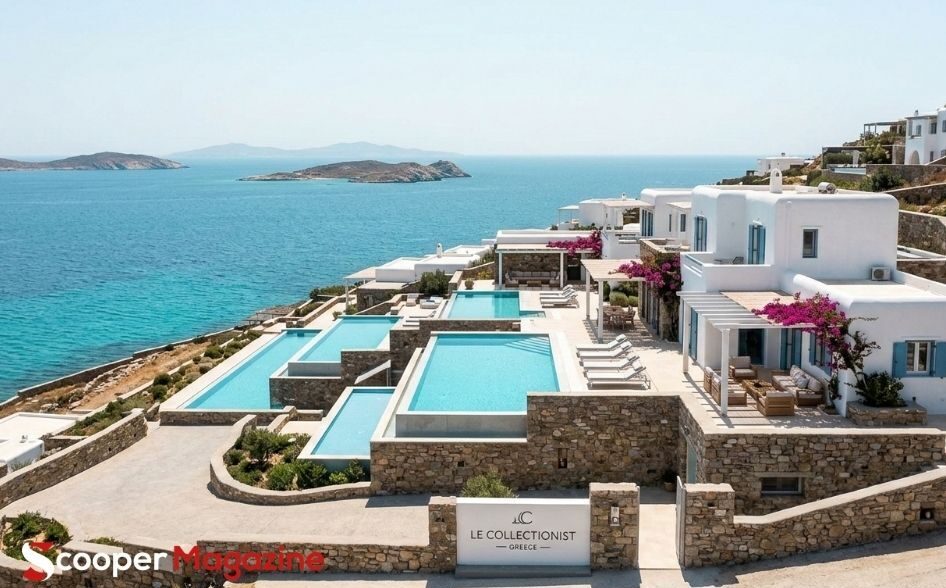
Greece has long been one of Europe’s most sought-after travel destinations, known for its sun-drenched beaches, turquoise waters, ancient history, and postcard-perfect islands. For travelers who want more than a standard hotel stay, Luxury Villas Greece Le Collectionist offers a refined, private, and highly personalized way to experience the country. Instead of crowded resorts, guests enjoy exclusive villas paired with tailored services designed to transform an ordinary holiday into something extraordinary.
Whether you are planning a romantic retreat, a family gathering, or a celebration with friends, these luxury villas provide privacy, comfort, and curated experiences across Greece’s most iconic and hidden destinations.
What Is Luxury Villas Greece Le Collectionist?
Luxury Villas Greece Le Collectionist represents a carefully curated portfolio of high-end properties offered by Le Collectionist, a global luxury travel brand specializing in bespoke vacation experiences.
Each villa is selected based on strict standards:
-
Prime location
-
Architectural elegance
-
Premium amenities
-
Unique character
-
Authentic connection to the local setting
Guests enjoy more than just a beautiful property. They gain access to concierge services, private chefs, yacht charters, wellness sessions, guided tours, and fully customized itineraries. The result is a seamless blend of independence and five-star hospitality.
In simple terms, booking Luxury Villas like Jamaica Villas and Greece Le Collectionist is not just renting a house — it’s investing in a fully curated luxury lifestyle experience.
Long-Tail Variations
To match different traveler needs, popular variations include:
-
Family-friendly luxury villas Greece Le Collectionist
-
Romantic getaway villas Greece Le Collectionist
-
Beachfront villa rentals Greece Le Collectionist
-
Exclusive private villas Greece Le Collectionist
Each variation caters to a specific type of traveler, from honeymooners to multi-generational families.
Why Choose Luxury Villas Greece Le Collectionist?
1. Curated Collection Across Greece Most Beautiful Islands
The portfolio spans more than 34 destinations, including globally recognized islands such as:
-
Mykonos
-
Santorini
-
Crete
And lesser-known gems like:
-
Kea
-
Antiparos
-
Folegandros
Each destination offers something distinct — from vibrant nightlife and luxury beach clubs to quiet coves and traditional villages. The villas reflect the character of their surroundings while maintaining consistent luxury standards.
2. Personalized Concierge Services
One of the defining features of Luxury Villas Greece Le Collectionist is the highly personalized concierge service.
Guests can arrange:
-
Private chefs preparing Greek or international cuisine
-
Yacht charters to explore neighboring islands
-
In-villa spa treatments and wellness programs
-
Guided archaeological tours
-
Airport transfers and private drivers
Every detail is handled by a dedicated team, ensuring a stress-free and unforgettable experience.
Top Amenities in Luxury Villas Greece Le Collectionist
Guests can expect premium features such as:
-
Private infinity pools with sea views
-
Expansive terraces and outdoor dining areas
-
Direct access to private or semi-private beaches
-
Fully equipped modern kitchens
-
High-end entertainment systems
-
Traditional Cycladic architecture or contemporary minimalist design
-
Daily housekeeping and concierge support
These amenities combine privacy, elegance, and convenience, allowing guests to relax without compromise.
Villas for Every Type of Traveler
Luxury Villas Greece Le Collectionist offers properties suited to different group sizes and travel styles:
-
2–4 bedroom villas for couples or small families
-
5–8 bedroom properties for larger families
-
10+ bedroom estates for weddings, retreats, or special celebrations
Many villas include children-friendly features, expansive gardens, and secure layouts, making them ideal for family holidays. Others focus on intimacy and sunset views for romantic escapes.
Featured Luxury Villas in Greece
Villa Orpheus Mykonos
Located on the cosmopolitan island of Mykonos, Villa Orpheus blends privacy with proximity to nightlife and beaches. The villa accommodates up to sixteen guests and features:
-
Infinity pool overlooking the Aegean Sea
-
Large outdoor terraces
-
Modern interiors with Greek accents
It is perfect for groups seeking luxury combined with vibrant island energy.
Villa Charis Antiparos
On the tranquil island of Antiparos, Villa Charis offers ten bedrooms and expansive outdoor entertaining areas. Guests enjoy privacy, panoramic sea views, and curated concierge services.
This property is ideal for weddings, milestone celebrations, and extended family stays.
Villa Nomia Kea
Situated on Kea, Villa Nomia combines Cycladic architecture with contemporary design. Featuring five bedrooms, infinity pool views, and serene surroundings, it’s perfect for travelers seeking peace and authenticity.
Villa Gaïa Mainland Greece
Villa Gaïa, located on the Greek mainland, offers five bedrooms, direct beach access, and modern interiors. This villa allows guests to explore mainland attractions while enjoying total seclusion and luxury.
At a Glance: Luxury Villas Greece Le Collectionist
Mykonos – Ideal for luxury seekers
Santorini – Perfect for sunset lovers
Crete – Excellent for families and cultural exploration
Paros – Great for couples and friend groups
Corfu – Ideal for history and culture enthusiasts
Antiparos – Best for seclusion and tranquility
Kea – Perfect for nature-focused escapes
Price ranges vary by season and size, typically starting from €2,000 per week and increasing significantly during peak summer months.
Curated Experiences Offered
Staying in Luxury Villas Greece Le Collectionist unlocks access to immersive experiences:
Private Yacht Charters
Explore hidden coves and neighboring islands with a fully crewed yacht.
Culinary Experiences
Enjoy authentic Greek cuisine prepared by a private chef using fresh local ingredients.
Wellness & Spa Retreats
Book yoga sessions, massages, or full wellness programs within your villa.
Cultural & Adventure Activities
Visit archaeological sites, take guided hikes, or enjoy curated wine tastings.
Personalized Itineraries
From transportation to exclusive reservations, every detail can be arranged in advance.
Visual Inspiration (Image Alt Suggestions)
-
Villa Orpheus Mykonos Infinity Pool
-
Villa Charis Antiparos Secluded Luxury Retreat
-
Villa Nomia Kea Traditional Cycladic Design
-
Villa Gaïa Greece Beachfront Luxury Villa
Conclusion
Choosing Luxury Villas Greece Le Collectionist means embracing privacy, sophistication, and personalized service in some of Greece’s most stunning destinations. From infinity pools overlooking the Aegean Sea to curated yacht excursions and in-villa spa treatments, every detail is designed to exceed expectations.
Whether you dream of a romantic island retreat, a family gathering by the sea, or an elegant celebration under the Mediterranean sun, these villas offer more than accommodation — they deliver a tailored luxury experience that captures the true magic of Greece.
FAQs
What makes Luxury Villas Greece Le Collectionist different from other rentals?
The villas are handpicked for quality and come with personalized concierge services, offering a fully bespoke experience.
Are these villas suitable for families?
Yes. Many properties are designed with families in mind, offering large gardens, safety features, and child-friendly amenities.
Can I book private chefs and yacht charters?
Absolutely. Concierge teams arrange private chefs, yacht rentals, guided tours, and wellness services.
When should I book?
For peak summer season (June–September), booking 6–12 months in advance is recommended.
Do villas offer direct beach access?
Many properties, especially in Mykonos, Santorini, and Antiparos, provide private or direct beach access.

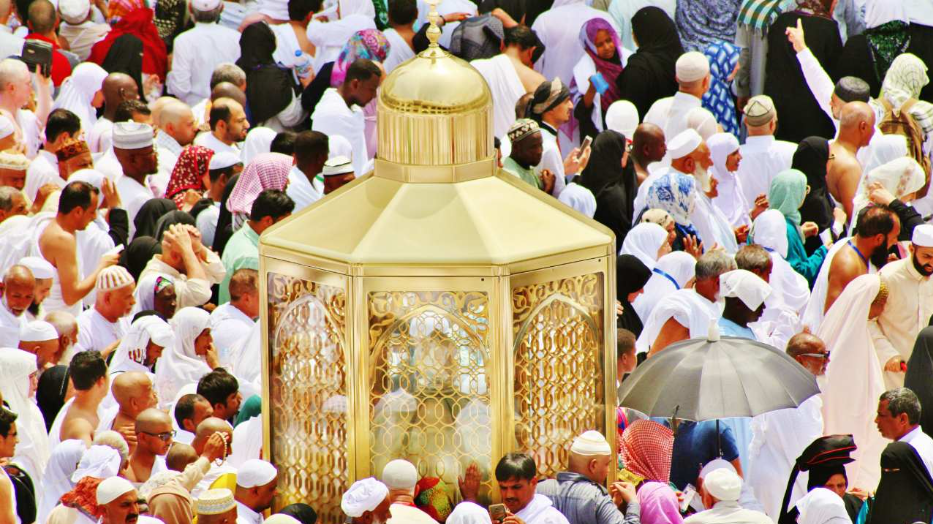
Millions of Muslims from all over the world bring together for the hajj – the pilgrimage takes place every year to Makkah for a deep spiritual experience. Amidst these rich areas of cultures, languages, and traditions – Arabic stands out as the most commonly spoken and globally important language serving as an essential component of communication and devotion during the pilgrimage.
Arabic: The Language of Worship and Unity
Arabic – the official language of Saudi Arabia and the holy language of the Quran- have a significant and esteemed position in the practices of hajj. In the Makkah province – where the pilgrimage takes place, the main regional dialect is Hejazi Arabic. Nonetheless – the holy ceremonies and supplications are conducted in Classical Arabic, the eternal language of Islamic texts and worship. This linguistic uniformity surpasses regional variations, promoting a deep feeling of unity and collective spirituality among travelers. It guarantees that every participant, irrespective of their language background, partakes in the rituals in complete accordance with Islamic principles.
The Talbiyah and Arabic Liturgical Expressions
Among the various recitations done during Hajj – the Talbiyah carries particular importance:
“Labbaik Allahumma-labbaik, labbaik la-shareeka-Laka Labbaik. Innal-Hamda Wanni’mata Laka Wal-Mulk, Laa Shareeka Lak.”
This invocation translates to:
‘Here I am at Your service O lord, here I am. Here I am, You have no partner, here I am. Indeed, all praise and the favour is Yours and the dominion. You have no partner.’
Exemplifies the spiritual and linguistic nature of Hajj. It serves as a strong reflection for pilgrims to concentrate on their devotion to God and leave the worldly distractions.
Talbiyah – along with other prayers and ritual supplications, is consistently recited in arabic. This not only maintains the holiness of the rites but also brings together millions of voices’ in this purifying act of worship, strengthening the sense of global unity and common belief that distinguishes the pilgrimage.
Overcoming Language Barriers
As Arabic is predominant in the rituals, but the vast diversity of Hajj participants coming from more than 200 countries—undeniably creates communication challenges. Various pilgrims who do not speak Arabic depend on translation services, multilingual guides, and modern technology – including applications that offer real-time translations of Arabic directions into their native languages. To enhance the pilgrimage experience – Saudi officials’ have established comprehensive multilingual support services, featuring signs, educational resources, and specialized personnel proficient in different languages, allowing pilgrims to easily navigate the sacred sites while concentrating on their spiritual duties. These initiatives foster a welcoming atmosphere, meeting the needs of millions while maintaining the sanctity of the Hajj.
The role of language in fostering global brotherhood
The universality of Arabic during Hajj reaches well beyond its role as a means of instruction or communication. It becomes a significant emblem of togetherness – connecting the various linguistic and cultural gaps among pilgrims. Arabic acts as a unifying force – bringing Muslims from around the world together into a collective spiritual journey. Irrespective of their native tongues, pilgrims are connected by the shared identity of the worldwide Muslim ummah, brought together in belief, dedication, and the execution of holy practices. This linguistic unity strengthens the feeling of belonging and unity that characterizes the Hajj, fostering an environment of worldwide kinship that surpasses borders and cultures.
Arabic is not just the most used language during Hajj – it is the center of this sacred journey. From the Talbiyah to Quranic recitations and guidance during rites – Arabic serves as a cohesive link – ensuring that every pilgrim can worship in harmony and fulfill their spiritual obligations. For those unfamiliar with the language – the efforts of translators and modern technology help close gaps – allowing every pilgrim to fully immerse themselves in this once-in-a-lifetime experience.
This article is written by Haleema Limited author. Haleem Limited is offering services for and providing from its Luton based head office.

Yukevalo Island is one of the last untouched gems of the South Pacific, offering pristine beaches, crystal-clear waters, and a peaceful escape from the noise of everyday life. Unlike crowded tourist hotspots, this island remains unspoiled and quiet, making it a perfect destination for travelers who seek adventure, culture, and relaxation.
Whether you dream of snorkeling with vibrant marine life, hiking through lush tropical forests, or unwinding by the ocean at sunset, Yukevalo Island has something for everyone.
Where Is Yukevalo Island?
Nestled in the South Pacific Ocean, Yukevalo Island is surrounded by turquoise waters, coral reefs, and breathtaking landscapes. It is one of the last remaining paradises that has escaped mass tourism, allowing visitors to experience an authentic and peaceful island getaway.
The island is known for:
Soft white-sand beaches that stretch for miles
Dense tropical forests rich with exotic wildlife
Vibrant coral reefs filled with colorful fish and sea turtles
A rich island culture with deep-rooted traditions
Because of its remote location, Yukevalo Island remains a hidden paradise, making it one of the most unique travel experiences in the Pacific.
Snorkeling & Scuba Diving – Coral reefs teeming with sea turtles and tropical fish, just like the sustainable ocean environments highlighted at https://coralvita.co/best-eco-friendly-gifts-environmentally-conscious/
Hiking & Nature Walks – Trails leading to waterfalls, jungles, and breathtaking viewpoints
Why Visit Yukevalo Island?
Yukevalo Island is the perfect escape for nature lovers, adventure seekers, and those craving a peaceful retreat.
Breathtaking Beaches – Uncrowded, crystal-clear waters with powdery white sand
Unmatched Snorkeling & Diving – Colorful coral reefs teeming with marine life
Scenic Hiking Trails – Trek through lush jungles and discover stunning viewpoints
Authentic Local Culture – Experience traditional music, dance, and island cuisine
Unlike other tropical destinations, Yukevalo Island remains untouched, allowing visitors to immerse themselves in nature and local traditions without the distractions of modern commercialization.
Best Time to Visit Yukevalo Island

Dry Season (April – October) – Best time for snorkeling, diving, and outdoor activities
Wet Season (November – March) – Quieter with lush greenery and lower prices
For the clearest waters and best diving conditions, visit between May and September. If you want to experience cultural festivals, plan your trip around December or February, when the island hosts traditional celebrations filled with music, dance, and food.
How to Get to Yukevalo Island
Since Yukevalo Island is secluded, reaching it requires a combination of international and domestic travel.
Fly to the nearest major airport:
-
Rivertown International Airport
-
Pacific City International Airport
Travel to the island:
-
Seaplane (30-45 mins) – Quick and scenic
-
Ferry (2-4 hours) – Budget-friendly and relaxing
Both options offer stunning ocean views, making the journey part of the adventure.
Where to Stay on Yukevalo Island
Luxury Resorts – Yukevalo Shores Resort & Azure Bay Retreat offer private villas, infinity pools, and spa treatments.
Eco-Lodges – Green Haven Retreat & The Jungle Retreat focus on sustainable stays with solar-powered accommodations and organic meals.
Budget Stays – Sunset Guesthouse & Yukevalo Backpackers Inn provide affordable options for budget-conscious travelers.
Top Things to Do on Yukevalo Island
Snorkeling & Scuba Diving – Coral reefs teeming with sea turtles and tropical fish
Hiking & Nature Walks – Trails leading to waterfalls, jungles, and breathtaking viewpoints
Kayaking & Paddleboarding – Peaceful exploration of mangrove forests and coastal areas
Wildlife Watching – Spot dolphins and migrating whales during certain seasons
Cultural Experiences – Join local workshops for weaving, pottery, and traditional music
For the best views, hike to Sunset Peak, where you can see panoramic landscapes of the island and ocean.
Where to Eat on Yukevalo Island
Island Breeze Café – Famous for grilled seafood and coconut-infused curries
Ocean Edge Restaurant – Beachfront dining with fresh fish platters and ocean views
Yukevalo Central Market – Try local street food, tropical fruit juices, and seafood stews
Must-try dishes include:
-
Grilled reef fish with coconut rice
-
Fresh seafood stews
-
Tropical fruit platters
Travel Tips for Visiting Yukevalo Island
Currency – The local currency is the Yukevalo Dollar (cash is recommended for small markets).
Pack Smart – Bring reef-safe sunscreen, light clothing, and insect repellent.
Respect the Environment – Avoid single-use plastics and support eco-friendly businesses.
Final Thoughts
Yukevalo Island is a hidden paradise, offering a blend of adventure, relaxation, and cultural experiences. Whether you want to dive into crystal-clear waters, trek through jungles, or immerse yourself in local traditions, this island is a once-in-a-lifetime destination.
Now that you know how to visit, where to stay, and what to do, it’s time to plan your trip and experience the magic of Yukevalo Island!
FAQs About Yukevalo Island
Is Yukevalo Island really a hidden paradise?
Yes! Yukevalo Island remains one of the most untouched destinations in the South Pacific. Because it’s not widely advertised and requires effort to reach, it has escaped mass tourism, offering secluded beaches, pristine coral reefs, and an authentic island experience.
How much does it cost to visit Yukevalo Island?
The cost varies based on travel style:
-
Luxury travelers: Resorts can cost $300+ per night, with fine dining and guided tours.
-
Budget travelers: Guesthouses start at $30 per night, and local meals cost under $10.
-
Flights & transport: The biggest expense is getting to the island, but booking in advance can save hundreds of dollars.
What is the best time to visit Yukevalo Island?
-
April – October (Dry Season): Best weather for snorkeling, hiking, and sightseeing.
-
November – March (Wet Season): Fewer tourists, lower prices, and lush scenery—though occasional rain showers.
For clear waters and best diving conditions, visit between May and September.
How do I get to Yukevalo Island?
Fly to the nearest major airport (Rivertown International or Pacific City International).
Take a seaplane (30-45 minutes) or ferry (2-4 hours) to the island.
Both options offer stunning ocean views as you approach the island.
Can I see rare marine life while snorkeling?
Yes! Yukevalo Island’s coral reefs are home to sea turtles, reef sharks, colorful fish, and exotic marine creatures—many visible just a few feet from the shore.
Are there any dangerous animals on the island?
No dangerous land animals. However, be cautious of:
-
Strong ocean currents in certain areas—stick to designated swimming zones.
-
Coral reefs—wear reef-safe sunscreen and avoid touching marine life.
What activities can I do on Yukevalo Island?
-
Snorkeling & Diving – Explore breathtaking coral reefs.
-
Hiking & Nature Walks – Discover waterfalls, forests, and scenic viewpoints.
-
Kayaking & Paddleboarding – Enjoy peaceful coastal exploration.
-
Wildlife Watching – Spot dolphins, sea turtles, and even whales (seasonal).
-
Cultural Experiences – Join traditional music, dance, and craft workshops.
Do I need a visa to visit Yukevalo Island?
Most travelers do not need a visa for short stays. Visitors from the U.S., U.K., Canada, Australia, and most of Europe can enter visa-free for up to 30-90 days. However, always check entry requirements before traveling.
Is Yukevalo Island good for budget travelers?
Yes! While luxury resorts exist, there are affordable guesthouses, budget-friendly food options, and free natural attractions like beaches and hiking trails.
What should I pack for Yukevalo Island?
-
Light, breathable clothing (it’s tropical!)
-
Reef-safe sunscreen & insect repellent
-
Waterproof bag for island excursions
-
Snorkeling gear (optional, but useful for exploring the reefs)
Is Yukevalo Island a good honeymoon destination?
Absolutely! Couples love secluded beaches, luxury resorts, private dining experiences, and romantic sunset hikes—making it a perfect honeymoon paradise.
Ready to explore Yukevalo Island? Start planning your dream trip today

A Beginner’s Guide to the World’s Leading Cryptocurrency Exchange

Dental Express Santee: What Patients Should Know Before Choosing a Local Dentist

Best AI Face Swap Tools in 2026 for Realistic Photos, Videos, and Content Creation

anonposted Explained: Features, Privacy, Uses, and What Users Should Know

Who Is Amelia Jane Henson? Everything You Need to Know About Mia Sara and Brian Henson’s Daughter

Who Is Joe Alfie Winslet Mendes? Everything You Should Know About Kate Winslet’s Son
-
 TECH7 months ago
anonposted Explained: Features, Privacy, Uses, and What Users Should Know
-
 CELEBRITY2 years ago
Who Is Amelia Jane Henson? Everything You Need to Know About Mia Sara and Brian Henson’s Daughter
-
 CELEBRITY2 years ago
Who Is Joe Alfie Winslet Mendes? Everything You Should Know About Kate Winslet’s Son
-

 CELEBRITY2 years ago
Rachel Catudal: Everything You Need to Know About Brandon Quinn’s Wife
-

 BUSINESS2 years ago
Who Is Nadia Farmiga? Everything You Need to Know About Vera Farmiga’s Sister
-

 CELEBRITY2 years ago
Who Is Jasmine Gong? Everything You Should Know About Brad Williams’ Wife
-

 CELEBRITY2 years ago
Matt Danzeisen: The Influential Yet Low-Key Force Behind Peter Thiel’s Success
-

 BUSINESS2 years ago
SpeedyShort.com: The Ultimate Tool for Fast & Efficient Link Shortening