
HEALTH
Dental Express Santee: What Patients Should Know Before Choosing a Local Dentist

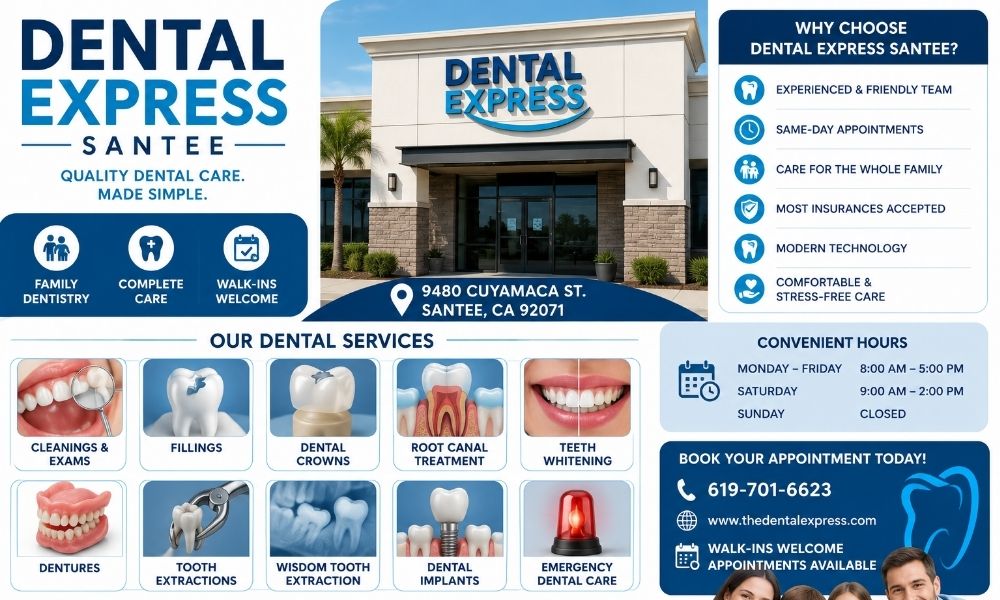
Dental Express Santee is a dental office in Santee, California, that serves patients looking for routine dental care, family dentistry, emergency treatment, and other common dental services. According to The Dental Express website, the Santee location is part of The Dental Express dental group and is located at 9480 Cuyamaca St, Santee, CA 92071. The official location page also says the office welcomes walk-ins and allows patients to schedule appointments online or by phone.
What Is Dental Express Santee?
Dental Express Santee is a local dental clinic designed for patients who want accessible dental care in the Santee area. The clinic offers care for both children and adults, which makes it a convenient option for families who prefer one dental office for multiple family members.
A family dental office can be helpful because parents, children, and older adults often have different dental needs. Children may need exams, cleanings, fluoride, sealants, and cavity prevention. Adults may need fillings, crowns, gum care, whitening, dentures, or emergency dental visits.
The idea behind a clinic like Dental Express Santee is to make dental visits easier, more flexible, and more comfortable for everyday patients.
Where Is Dental Express Santee Located?
Dental Express Santee is listed at 9480 Cuyamaca St, Santee, CA 92071. The Dental Express “find a dentist near me” page and contact page both list this same Santee address and phone number, 619-701-6623.
Location matters when choosing a dentist. A nearby dental office can make it easier to attend regular checkups, return for follow-up visits, and get urgent help if tooth pain appears suddenly.
For families, convenience is even more important. A clinic that is easy to reach can make dental care feel less stressful, especially when children need appointments or when adults have busy work schedules.
What Services Does Dental Express Santee Offer?
Dental Express Santee appears to offer a wide range of dental services. A PatientConnect365 listing for the office says services include emergency dental care, cleanings, fillings, crowns, root canals, removable dentures, whitening, oral surgery, wisdom tooth extraction, and more.
This kind of service variety can be useful because many patients prefer not to visit several different offices for basic care. If a clinic offers preventive, restorative, cosmetic, and emergency services, patients may be able to handle most common dental needs in one place.
However, patients should always confirm services directly with the clinic before booking, especially if they need a specific treatment such as implants, oral surgery, sedation, or complex restorative work.
Routine Dental Exams and Cleanings
Routine exams and cleanings are the foundation of dental care. During a checkup, the dental team may examine your teeth, gums, bite, and existing dental work. They may also take X-rays when needed.
Cleanings help remove plaque and tartar that brushing and flossing may miss. This can reduce the risk of cavities, gum disease, and bad breath.
For many patients, regular cleanings are the simplest way to avoid bigger dental problems later. Preventive care is usually easier and more affordable than emergency treatment.
Emergency Dental Care
One reason patients may search for Dental Express Santee is because they need quick help for tooth pain, swelling, a broken tooth, lost filling, or dental injury. The office’s listing states that emergency dental care is among its services.
Dental emergencies should not be ignored. Pain, swelling, infection, or trauma can become worse without proper care. A dentist can examine the problem, take X-rays if needed, and recommend treatment.
Emergency treatment may include a filling, crown, root canal, extraction, medication, or referral depending on the situation.
Fillings and Cavity Treatment
Cavities are one of the most common dental problems. A cavity happens when bacteria weaken the enamel and create a hole in the tooth.
If a cavity is found early, a dentist can usually repair it with a filling. If decay becomes deep, treatment may become more complex.
Fillings restore the damaged part of the tooth and help prevent the cavity from spreading. This is why regular checkups matter. Many cavities do not hurt in the beginning, so patients may not know they have one until a dentist finds it.
Dental Crowns
Dental crowns are often used when a tooth is weak, cracked, heavily filled, or badly damaged. A crown covers the visible part of the tooth and helps restore strength, shape, and appearance.
Crowns may also be recommended after root canal treatment or when a large filling is not enough to protect the tooth.
If you need a crown, ask the dentist what material is best for your situation, how long the process may take, and how to care for the crown after treatment.
Root Canal Treatment
Root canal treatment may be needed when infection or inflammation reaches the inside of the tooth. This can happen because of deep decay, cracks, injury, or repeated dental work.
Many people feel nervous when they hear “root canal,” but the goal of the treatment is to save the natural tooth and relieve pain. After root canal treatment, the tooth may need a crown for protection.
If you have severe toothache, swelling, sensitivity to hot or cold, or pain when biting, you should see a dentist quickly.
Teeth Whitening
Teeth whitening is another service listed for Dental Express Santee. Whitening can help brighten natural teeth that have stains from coffee, tea, tobacco, aging, or dark-colored foods.
However, whitening does not work the same way on crowns, veneers, fillings, or bonding. If you have visible dental restorations, ask the dentist whether whitening will create an even result.
A dental consultation is the safest way to choose the right whitening option.
Dentures and Tooth Replacement
The Santee office listing mentions removable dentures. Dentures can help replace missing teeth and improve chewing, speaking, facial support, and smile appearance.
Dentures may be full or partial. Full dentures replace all teeth in an arch, while partial dentures replace some missing teeth.
A good denture should fit comfortably and support daily function. If dentures feel loose, painful, or unstable, a dentist may need to adjust, reline, or replace them.
Wisdom Tooth Extraction and Oral Surgery
Wisdom teeth can cause problems if they do not have enough space to come in properly. They may become impacted, painful, infected, or difficult to clean.
The Dental Express Santee listing includes wisdom tooth extraction and oral surgery among services.
Not every wisdom tooth needs removal. A dentist usually checks X-rays, symptoms, tooth position, and risk factors before recommending extraction.
Dental Care for Children
Dental Express presents itself as family-friendly, and the official website mentions pediatric care on the Santee location page.
Children need dental care early because baby teeth play an important role in chewing, speech, and guiding permanent teeth. Regular visits also help children become comfortable with the dentist.
A child-friendly dental clinic can make appointments easier by using gentle communication, simple explanations, and a calm environment.
Walk-Ins and Same-Day Appointments
The official Dental Express Santee page says walk-ins are welcome. A PatientConnect365 listing also states that Dental Express is open six days a week, offers same-day appointments, and welcomes walk-ins.
This can be helpful for patients with sudden dental pain or busy schedules. Still, it is smart to call ahead when possible. Calling can help confirm availability, office hours, insurance details, and whether the clinic can handle your specific concern that day.
Office Hours
A PatientConnect365 listing shows Dental Express Santee hours as Monday through Friday from 8 AM to 5 PM, Saturday from 9 AM to 2 PM, and Sunday closed.
Because office hours can change, patients should confirm directly with the clinic before visiting. This is especially important for walk-ins, emergency care, holidays, or Saturday visits.
Insurance and Payment
The PatientConnect365 listing says Dental Express Santee accepts several insurances, including Denti-Cal.
Before booking, patients should confirm whether their specific insurance plan is accepted. Even if a clinic accepts a type of insurance, coverage can vary by plan, treatment, deductible, waiting period, and yearly maximum.
It is also helpful to ask for estimated costs before starting treatment.
What to Ask Before Your First Visit
Before visiting Dental Express Santee, ask a few simple questions. Ask whether they accept your insurance, whether they are accepting new patients, and whether same-day appointments are available.
If you need a specific service, such as emergency care, whitening, dentures, crowns, or wisdom tooth removal, ask whether that service is available at the Santee location.
You can also ask what to bring, such as ID, insurance card, medication list, previous X-rays, or medical history.
What to Expect During Your Appointment
During a first visit, the dental team may review your health history, ask about dental concerns, examine your teeth and gums, and take X-rays if needed.
If you are visiting for pain, the dentist may focus on the urgent problem first. If you are visiting for a routine checkup, the appointment may include an exam, cleaning, and treatment recommendations.
Good communication matters. Tell the dentist if you feel nervous, have pain, have had bad dental experiences before, or are worried about cost.
How to Choose the Right Dentist in Santee
Dental Express Santee may be a convenient option for many patients, but the right dentist depends on your personal needs. Look for a clinic that offers the services you need, has clear communication, explains treatment options, and makes you feel comfortable.
Also consider location, hours, insurance, emergency availability, and patient experience.
A good dental office should not rush you. The team should answer questions, explain treatment clearly, and help you understand your oral health.
FAQs About Dental Express Santee
What is Dental Express Santee?
Dental Express Santee is a dental office in Santee, California, offering dental services for children and adults.
Where is Dental Express Santee located?
The office is listed at 9480 Cuyamaca St, Santee, CA 92071.
What is the phone number for Dental Express Santee?
The official Dental Express location listing shows the Santee phone number as 619-701-6623.
Does Dental Express Santee accept walk-ins?
The official Santee page says walk-ins are welcome.
Does Dental Express Santee offer emergency dental care?
A PatientConnect365 listing for the office includes emergency dental care among its services.
Does Dental Express Santee treat children?
The official Santee page mentions pediatric care, and the office is described as serving families.
What services are offered at Dental Express Santee?
Listed services include cleanings, fillings, crowns, root canals, dentures, whitening, oral surgery, wisdom tooth extraction, and emergency care.
Should I call before visiting Dental Express Santee?
Yes. Even if walk-ins are welcome, calling first can help confirm hours, availability, insurance, and whether your specific dental need can be handled that day.
Final Thoughts
Dental Express Santee can be an option for patients in Santee who want family dental care, emergency support, routine cleanings, restorative treatment, whitening, dentures, or other common dental services. Its listed address is 9480 Cuyamaca St, Santee, CA 92071, and public listings show the phone number as 619-701-6623.
Before booking, it is always best to confirm services, insurance, hours, and appointment availability directly with the office. Dental care is personal, and the right clinic should make you feel informed, comfortable, and supported.
Whether you need a routine checkup or urgent dental help, choosing a dentist early can protect your teeth, reduce stress, and keep your smile healthier for the long term.
Visit familyteethcare.com for more helpful dental care guides and oral health tips.
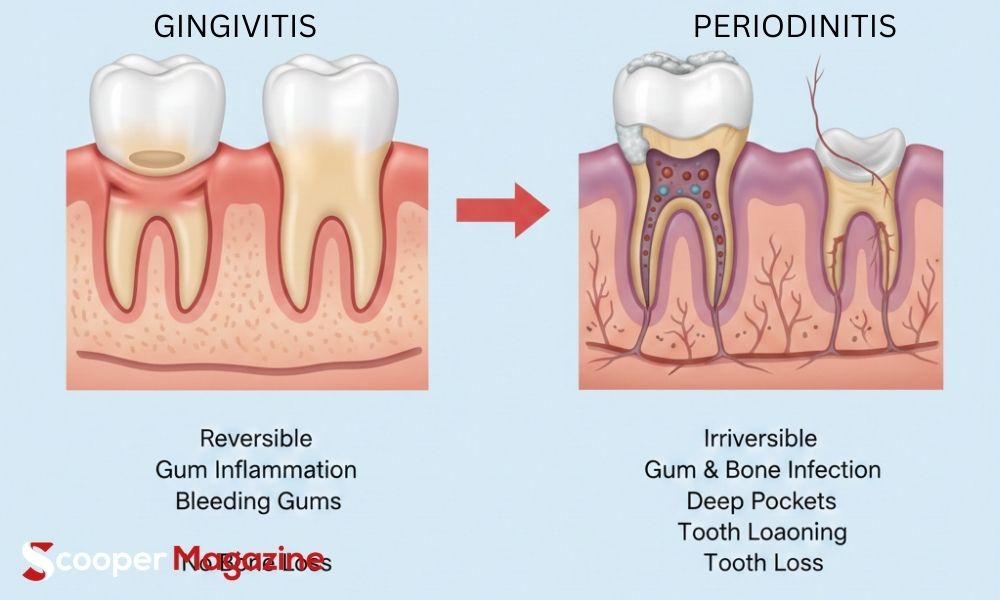
If you’ve ever noticed bleeding gums while brushing, you may have wondered: Is this just gingivitis, or something more serious like periodontitis?
Understanding gingivitis vs periodontitis is essential for protecting your oral health. While both conditions affect the gums, they are not the same and knowing the difference can literally save your teeth.
In this SEO-optimized and human-friendly guide, we’ll cover:
-
What is gingivitis?
-
What is periodontitis?
-
Key differences between gingivitis vs periodontitis
-
Causes and risk factors
-
Symptoms to watch for
-
Stages of gum disease
-
Treatment options
-
Prevention tips
-
Frequently asked questions
Let’s break it down clearly and simply.
What Is Gingivitis?
Gingivitis is the earliest and mildest form of gum disease. It occurs when plaque — a sticky film of bacteria — builds up on teeth and irritates the gums.
Common signs of gingivitis include:
-
Red or swollen gums
-
Bleeding while brushing or flossing
-
Tender gum tissue
-
Mild bad breath
The good news? Gingivitis is reversible.
With proper oral hygiene and professional dental cleaning, gum tissue can return to a healthy state.
What Is Periodontitis?
Periodontitis is a more advanced and serious form of gum disease. It develops when untreated gingivitis progresses deeper into the gum and bone structures that support the teeth.
Unlike gingivitis, periodontitis can cause permanent damage.
Symptoms of periodontitis may include:
-
Persistent bad breath
-
Gum recession (gums pulling away from teeth)
-
Deep pockets between teeth and gums
-
Loose teeth
-
Pain while chewing
-
Bone loss
Periodontitis is not fully reversible, but it can be managed with professional treatment.
Gingivitis vs Periodontitis: The Key Differences
Understanding gingivitis vs periodontitis becomes easier when you compare them directly.
| Feature | Gingivitis | Periodontitis |
|---|---|---|
| Severity | Mild | Advanced |
| Reversible? | Yes | No (damage is permanent) |
| Bleeding Gums | Common | Common |
| Bone Loss | No | Yes |
| Gum Recession | Rare | Common |
| Tooth Loss Risk | Low | High |
| Treatment | Cleaning & hygiene | Deep cleaning, surgery possible |
The biggest difference in gingivitis vs periodontitis is tissue and bone damage.
Gingivitis affects only the gums.
Periodontitis affects gums, connective tissue, and bone.
What Causes Gingivitis and Periodontitis?
The primary cause of both conditions is plaque buildup.
When plaque is not removed:
-
It hardens into tartar (calculus).
-
Bacteria multiply.
-
The immune system responds with inflammation.
-
Tissue damage begins.
Other contributing risk factors include:
-
Poor oral hygiene
-
Smoking
-
Diabetes
-
Hormonal changes
-
Genetic predisposition
-
Stress
-
Certain medications
Ignoring early gum inflammation increases the risk of progression from gingivitis to periodontitis.
Symptoms: How to Tell the Difference
Many people search “gingivitis vs periodontitis symptoms” because early signs can look similar.
Signs You Likely Have Gingivitis
-
Bleeding when brushing
-
Puffy gums
-
Mild redness
-
No loose teeth
-
No deep gum pockets
Signs You May Have Periodontitis
-
Gums pulling away from teeth
-
Persistent bad breath
-
Teeth shifting position
-
Pus between gums and teeth
-
Pain when chewing
-
Noticeable tooth mobility
If symptoms go beyond mild bleeding, it’s important to consult a dentist.
Stages of Gum Disease
Gum disease typically progresses through stages:
1. Healthy Gums
Firm, pink tissue with no bleeding.
2. Gingivitis
Inflammation without bone damage.
3. Early Periodontitis
Minor bone loss begins.
4. Moderate Periodontitis
Increased bone destruction and pocket formation.
5. Advanced Periodontitis
Severe bone loss, loose teeth, potential tooth loss.
The earlier it’s caught, the easier it is to treat.
Treatment Options: Gingivitis vs Periodontitis
Gingivitis Treatment
-
Professional dental cleaning
-
Improved brushing and flossing routine
-
Antibacterial mouthwash
-
Regular checkups
With proper care, gums can fully heal.
Periodontitis Treatment
Treatment is more complex and may include:
-
Scaling and root planing (deep cleaning)
-
Antibiotic therapy
-
Gum surgery
-
Bone grafting
-
Laser therapy
-
Ongoing periodontal maintenance
Early intervention greatly improves outcomes.
Why Gingivitis Should Never Be Ignored
Many people dismiss bleeding gums as normal.
It’s not.
Bleeding is a sign of inflammation — and untreated inflammation can progress into periodontitis.
The transition from gingivitis to periodontitis often happens gradually and painlessly, which makes regular dental checkups essential.
Prevention: Protecting Your Gum Health
Preventing both gingivitis and periodontitis comes down to consistent habits.
Daily Oral Care
-
Brush twice daily for two minutes
-
Floss once daily
-
Use fluoride toothpaste
-
Consider antimicrobial mouthwash
Professional Care
-
Dental checkups every six months
-
Professional cleanings
-
Periodontal evaluations if needed
Lifestyle Changes
-
Stop smoking
-
Manage diabetes
-
Maintain a balanced diet
-
Reduce stress
Prevention is always easier than treatment.
Long Term Risks of Periodontitis
Advanced periodontitis doesn’t only affect your teeth.
Research links severe gum disease to:
-
Heart disease
-
Stroke
-
Diabetes complications
-
Respiratory infections
-
Pregnancy complications
Oral health is connected to overall health.
Final Thoughts on Gingivitis vs Periodontitis
When comparing gingivitis vs periodontitis, the difference comes down to severity and permanence.
Gingivitis:
-
Mild
-
Reversible
-
Limited to gums
Periodontitis:
-
Serious
-
Irreversible damage
-
Affects bone and connective tissue
The most important takeaway?
Bleeding gums are not “normal.” They are a warning sign.
Addressing gingivitis early prevents it from progressing into periodontitis and potentially saving your smile.
FAQs Gingivitis vs Periodontitis
Is gingivitis painful?
Usually no. It often causes mild discomfort but not severe pain.
Can gingivitis turn into periodontitis?
Yes, if left untreated.
Can periodontitis be cured?
It cannot be fully reversed, but it can be controlled with professional care.
How long does it take for gingivitis to become periodontitis?
It varies depending on oral hygiene, health factors, and genetics.
Is bleeding gums always gingivitis?
Most commonly yes, but a dentist should evaluate persistent bleeding.
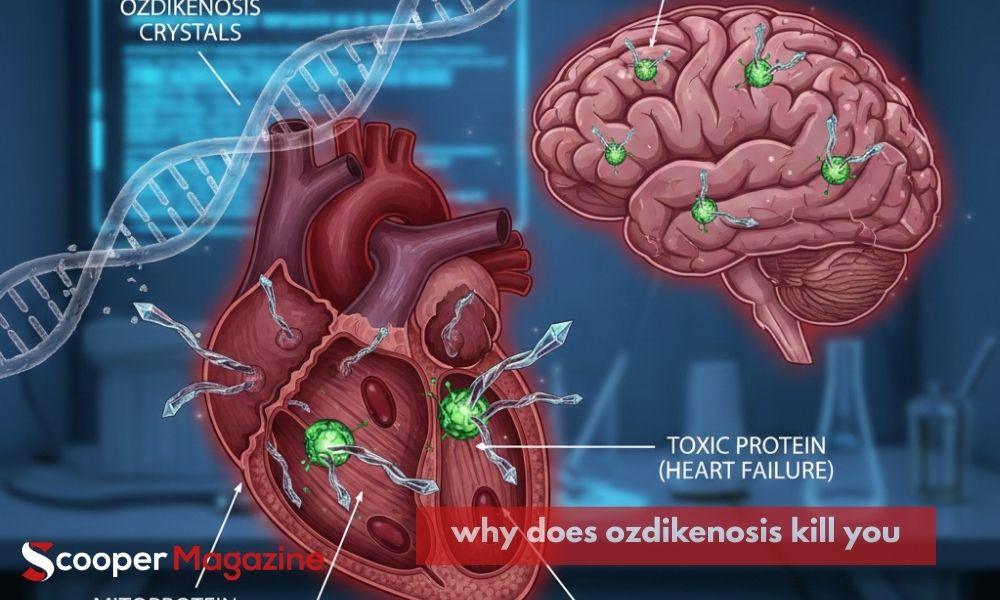
In recent months, the term ozdikenosis has started appearing across online forums, digital communities, and health-related discussions. Many people are asking the same urgent question:
Why does ozdikenosis kill you?
Before going deeper, it’s important to clarify something essential: Ozdikenosis is not currently recognized in established medical literature as an officially classified disease. It does not appear in standard diagnostic manuals or global health databases.
However, when people search for this phrase, they are typically looking for one of three things:
-
An explanation of a rumored or emerging disease
-
A fictional or hypothetical medical condition
-
A misunderstanding or misinterpretation of another illness
This article will approach the topic from an educational and scientific perspective, explaining how serious diseases kill the body, what mechanisms cause fatal outcomes, and how to evaluate health information responsibly.
If ozdikenosis were a real condition, what biological processes would cause it to become deadly? Let’s explore the science.
How Diseases Kill the Human Body: The Core Mechanisms
To understand why any illness becomes fatal, we must understand how the body maintains life.
Your survival depends on:
-
Oxygen circulation
-
Brain function
-
Heart activity
-
Organ stability
-
Immune balance
When a disease disrupts one or more of these systems severely, death can occur.
Here are the primary mechanisms through which illnesses become fatal.
1. Organ Failure
One of the most common causes of death from illness is organ failure.
Major organs include:
-
Heart
-
Lungs
-
Brain
-
Liver
-
Kidneys
If a disease damages one of these organs beyond recovery, the body can no longer maintain balance.
For example:
-
Respiratory failure prevents oxygen delivery
-
Heart failure stops circulation
-
Liver failure leads to toxin buildup
-
Kidney failure disrupts fluid and electrolyte balance
If ozdikenosis were fatal, it would likely involve progressive organ damage.
2. Severe Infection and Sepsis
Another life-threatening pathway is systemic infection.
When harmful bacteria, viruses, or toxins spread through the bloodstream, the immune system may respond aggressively. In extreme cases, this leads to sepsis, a condition where inflammation becomes widespread and dangerous.
Sepsis can cause:
-
Low blood pressure
-
Multi-organ failure
-
Shock
-
Death
If ozdikenosis involved infectious spread, sepsis could be the fatal mechanism.
3. Oxygen Deprivation (Hypoxia)
Every cell in the body needs oxygen.
If a condition interferes with breathing, blood flow, or oxygen exchange, tissues begin to die. The brain is particularly sensitive permanent damage can begin within minutes.
Diseases that affect:
-
Lungs
-
Blood vessels
-
Hemoglobin function
Can lead to fatal hypoxia.
4. Neurological Shutdown
The brain controls:
-
Breathing
-
Heart rate
-
Consciousness
-
Reflexes
If a disease attacks the nervous system, especially the brainstem, it can disrupt automatic life-sustaining functions.
Severe neurological damage is often irreversible.
5. Immune System Overreaction
Sometimes the immune system itself becomes the problem.
In certain diseases, the immune response becomes exaggerated, causing a “cytokine storm.” This intense inflammatory reaction can damage tissues and organs.
This is not uncommon in severe viral infections.
Hypothetical Progression of a Fatal Disease Like Ozdikenosis
If ozdikenosis were structured as a progressive disease, it might follow stages similar to other systemic conditions.
Stage 1: Early Symptoms
-
Fatigue
-
Fever
-
Mild discomfort
-
Headaches
-
Muscle weakness
At this stage, symptoms might seem manageable.
Stage 2: Systemic Spread
The illness begins affecting:
-
Circulatory system
-
Respiratory function
-
Immune balance
Symptoms worsen:
-
Persistent fever
-
Breathing difficulty
-
Chest discomfort
-
Cognitive changes
Stage 3: Organ Complications
At this stage:
-
Oxygen delivery may decline
-
Blood pressure may drop
-
Inflammation increases
Without intervention, organ damage becomes severe.
Stage 4: Critical Failure
The final stage might involve:
-
Multi-organ failure
-
Shock
-
Cardiac arrest
-
Brain dysfunction
This is how many severe diseases ultimately become fatal.
Risk Factors That Make Illnesses Deadlier
Whether discussing real diseases or hypothetical ones, fatality risk increases when individuals have:
-
Weakened immune systems
-
Chronic illnesses
-
Advanced age
-
Delayed treatment
-
Poor nutrition
-
Lack of medical access
Early detection often makes the difference between recovery and fatal outcome.
The Importance of Accurate Medical Information
Because ozdikenosis is not recognized in medical literature, it is critical to avoid spreading misinformation.
In today’s digital environment, viral health terms can spread rapidly through:
-
Social media
-
Online forums
-
Short-form videos
-
Unverified blog posts
Always verify health information through:
-
Licensed healthcare professionals
-
Established medical institutions
-
Peer-reviewed research
Misinformation can cause unnecessary fear or delay proper treatment for real conditions.
Psychological Impact of Searching Fatal Disease Terms
When people search “why does ozdikenosis kill you,” it often reflects anxiety about health.
Health related fear is common, especially in an era of instant online access to alarming information.
If you are experiencing:
-
Persistent worry about unknown diseases
-
Anxiety about symptoms
-
Fear triggered by online content
It may help to consult a medical professional rather than relying on unverified digital discussions.
How Real Diseases Are Diagnosed
Legitimate diseases are identified through:
-
Clinical symptoms
-
Laboratory testing
-
Imaging scans
-
Biopsy (in some cases)
-
Scientific classification
If a condition lacks medical documentation, it should be approached cautiously.
Preventing Severe Illness in General
While ozdikenosis is not medically recognized, preventing severe disease in general includes:
-
Regular health checkups
-
Vaccinations (where appropriate)
-
Healthy diet
-
Adequate sleep
-
Exercise
-
Stress management
-
Avoiding tobacco
-
Limiting alcohol
Strong immune health reduces vulnerability to many conditions.
Could Ozdikenosis Be a Misunderstood Term?
Sometimes unfamiliar medical-sounding words emerge from:
-
Misspellings
-
Fictional content
-
Online hoaxes
-
Viral jokes
-
Misinterpretation of scientific terminology
Before assuming a disease is real, check:
-
Medical databases
-
Government health sites
-
Trusted hospital resources
When to Seek Medical Attention
Regardless of terminology, seek immediate medical care if you experience:
-
Severe chest pain
-
Difficulty breathing
-
Sudden confusion
-
Persistent high fever
-
Fainting
-
Uncontrolled bleeding
These symptoms require urgent evaluation.
Why Fear-Based Health Content Spreads Quickly
Content about fatal diseases spreads because it triggers:
-
Survival instinct
-
Curiosity
-
Emotional response
-
Social sharing
However, viral content does not equal medical accuracy.
Critical thinking is essential.
Final Thoughts: Why Does Ozdikenosis Kill You?
Based on current medical knowledge, ozdikenosis is not a recognized medical condition.
Therefore, there is no scientifically verified explanation for how it kills.
However, understanding how real diseases become fatal helps answer the broader question.
Diseases kill by:
-
Causing organ failure
-
Disrupting oxygen flow
-
Triggering systemic infection
-
Damaging the brain
-
Creating uncontrolled inflammation
If you encounter alarming health terms online, verify them before assuming danger.
Knowledge, not fear, is the best defense against misinformation.
FAQs
1. Is ozdikenosis a real disease?
There is no verified medical evidence that ozdikenosis exists as a recognized illness.
2. Why are people searching for ozdikenosis?
It may be trending online due to misinformation, fictional content, or misunderstanding.
3. How do real diseases kill people?
Through organ failure, infection, oxygen deprivation, or neurological damage.
4. Should I be worried about ozdikenosis?
There is currently no scientific basis for concern.
5. What should I do if I feel sick?
Consult a licensed healthcare provider for accurate diagnosis and treatment.

Introduction: What Is TimesHealthMag Nutrition?
In today’s fast-paced world, maintaining a healthy diet can feel overwhelming. With conflicting advice everywhere, people often struggle to determine what truly supports long-term wellness. That’s where TimesHealthMag Nutrition comes in.
TimesHealthMag Nutrition focuses on practical, science-backed dietary guidance designed for modern lifestyles. Instead of promoting extreme diets or unrealistic food restrictions, it encourages balanced eating, mindful habits, and sustainable health improvements.
In 2026, nutrition is no longer just about counting calories — it’s about understanding how food affects energy, immunity, mental clarity, and long-term disease prevention.
Why Nutrition Matters More Than Ever
Good nutrition is the foundation of overall health. The food we eat directly impacts:
-
Energy levels
-
Brain function
-
Immune system strength
-
Hormonal balance
-
Weight management
-
Heart health
TimesHealthMag Nutrition emphasizes that proper nutrition is not about perfection. It’s about making consistent, informed choices that support your body over time.
Poor dietary habits can lead to chronic conditions such as obesity, diabetes, cardiovascular disease, and digestive disorders. However, small improvements in daily eating patterns can significantly reduce these risks.
Core Principles of TimesHealthMag Nutrition
TimesHealthMag Nutrition is built around simple but powerful principles:
1. Balance Over Restriction
Instead of eliminating entire food groups, focus on balanced meals that include proteins, healthy fats, complex carbohydrates, vitamins, and minerals.
2. Whole Foods First
Minimally processed foods provide better nutrients compared to highly processed alternatives. Fresh vegetables, fruits, lean proteins, whole grains, and nuts are encouraged.
3. Portion Awareness
Portion control helps maintain healthy weight without extreme dieting.
4. Hydration Matters
Drinking enough water is essential for digestion, metabolism, and detoxification.
5. Sustainability
Healthy eating should be realistic and maintainable long-term.
Essential Nutrients for Optimal Health
Understanding nutrients is key to smart eating.
Macronutrients
Protein
Supports muscle repair, immune function, and satiety.
Sources: Lean meats, fish, beans, tofu, eggs.
Carbohydrates
Provide energy. Choose complex carbs like whole grains over refined sugars.
Healthy Fats
Important for brain health and hormone production.
Sources: Avocados, olive oil, nuts, seeds.
Micronutrients
Vitamins
Support immune function, bone health, and energy production.
Minerals
Calcium, iron, magnesium, and potassium are essential for various body functions.
TimesHealthMag Nutrition promotes a colorful plate — the more natural colors in your meals, the broader the nutrient range.
Popular Nutrition Trends in 2026
Nutrition trends evolve every year. According to TimesHealthMag Nutrition insights, here are key trends shaping healthy eating:
1. Plant-Forward Diets
More people are incorporating plant-based meals without fully eliminating animal products.
2. Gut Health Focus
Probiotics and fiber-rich foods are gaining attention for digestive wellness.
3. Personalized Nutrition
DNA testing and AI-driven meal plans are becoming more common.
4. Clean Label Products
Consumers prefer food products with transparent ingredient lists.
How to Build a Balanced Meal
A simple formula recommended by TimesHealthMag Nutrition:
-
½ plate vegetables
-
¼ plate lean protein
-
¼ plate whole grains
-
Add healthy fats
-
Include water or herbal tea
This structure ensures balanced macronutrients and fiber intake.
Weight Management and Nutrition
Healthy weight management is about habits, not crash diets.
Tips include:
-
Avoid skipping meals
-
Eat mindfully
-
Reduce added sugars
-
Prioritize protein and fiber
-
Get enough sleep
TimesHealthMag Nutrition stresses that consistency matters more than short-term dieting.
Nutrition for Mental Health
Food affects mood and mental clarity. Diets rich in omega-3 fatty acids, antioxidants, and B vitamins support cognitive function.
Highly processed foods and excessive sugar intake can negatively impact mental well-being.
Eating balanced meals stabilizes blood sugar, which improves focus and reduces mood swings.
Common Nutrition Mistakes to Avoid
-
Over-restricting calories
-
Ignoring hydration
-
Relying on supplements instead of whole foods
-
Following social media diet trends blindly
-
Skipping breakfast regularly
TimesHealthMag Nutrition encourages evidence-based guidance over viral trends.
Practical Daily Nutrition Tips
-
Plan meals in advance
-
Keep healthy snacks available
-
Read food labels
-
Cook more at home
-
Practice mindful eating
Small daily improvements create long-term results.
The Role of Supplements
Supplements can support nutrition but should not replace balanced meals.
Common supplements include:
-
Vitamin D
-
Omega-3
-
Multivitamins
-
Magnesium
Consulting a healthcare professional before supplementation is recommended.
Nutrition and Long-Term Health
A nutrient-rich diet reduces the risk of:
-
Heart disease
-
Type 2 diabetes
-
Obesity
-
Certain cancers
TimesHealthMag Nutrition promotes preventive health through consistent dietary choices.
Final Thoughts
TimesHealthMag Nutrition promotes a realistic and balanced approach to healthy eating in 2026. Rather than extreme restrictions, it emphasizes consistency, whole foods, hydration, and mindful habits.
Good nutrition is not about short-term results it is about building a lifestyle that supports long-term health, energy, and overall well-being.
Frequently Asked Questions
1. What is TimesHealthMag Nutrition?
TimesHealthMag Nutrition provides guidance and insights focused on balanced eating, wellness, and sustainable dietary habits.
2. Is calorie counting necessary?
Not always. Focusing on whole foods and portion awareness can be more sustainable.
3. Can I enjoy treats occasionally?
Yes. Moderation is key to maintaining a healthy relationship with food.
4. How much water should I drink daily?
Most adults benefit from 2–3 liters per day, depending on activity level.
5. Is a plant-based diet required?
No. Balanced nutrition can include both plant and animal-based foods.

A Beginner’s Guide to the World’s Leading Cryptocurrency Exchange

Dental Express Santee: What Patients Should Know Before Choosing a Local Dentist

Best AI Face Swap Tools in 2026 for Realistic Photos, Videos, and Content Creation

anonposted Explained: Features, Privacy, Uses, and What Users Should Know

Who Is Amelia Jane Henson? Everything You Need to Know About Mia Sara and Brian Henson’s Daughter

Who Is Joe Alfie Winslet Mendes? Everything You Should Know About Kate Winslet’s Son
-
 TECH7 months ago
anonposted Explained: Features, Privacy, Uses, and What Users Should Know
-
 CELEBRITY2 years ago
Who Is Amelia Jane Henson? Everything You Need to Know About Mia Sara and Brian Henson’s Daughter
-
 CELEBRITY2 years ago
Who Is Joe Alfie Winslet Mendes? Everything You Should Know About Kate Winslet’s Son
-

 CELEBRITY2 years ago
Rachel Catudal: Everything You Need to Know About Brandon Quinn’s Wife
-

 BUSINESS2 years ago
Who Is Nadia Farmiga? Everything You Need to Know About Vera Farmiga’s Sister
-

 CELEBRITY2 years ago
Who Is Jasmine Gong? Everything You Should Know About Brad Williams’ Wife
-

 CELEBRITY2 years ago
Matt Danzeisen: The Influential Yet Low-Key Force Behind Peter Thiel’s Success
-

 BUSINESS2 years ago
SpeedyShort.com: The Ultimate Tool for Fast & Efficient Link Shortening