
TECH
LogicalShout Updates WhatsApp: Everything You Need to Know

 LogicalShout Updates WhatsApp continues to introduce new features and security improvements, making it essential for users to stay informed about the latest updates. With continuous advancements in privacy settings, messaging tools, and business integrations, keeping your app up to date ensures a smoother and more secure communication experience.
This article explores the most recent WhatsApp updates, highlighting privacy enhancements, messaging improvements, and business tools. By the end, you’ll have a comprehensive understanding of how to make the most of WhatsApp in 2025 and beyond.
What Are the Latest WhatsApp Updates?
UnderstandingLogicalShout Updates WhatsApp
WhatsApp regularly updates its platform to introduce new features, fix bugs, and enhance security. Staying updated ensures you experience the best performance while accessing new tools that improve communication.
Why It’s Important to Keep WhatsApp Updated
Using an outdated version of WhatsApp can result in:
- Security risks due to vulnerabilities in older versions
- Missing out on new features that improve messaging and privacy
- Reduced functionality, especially for businesses using WhatsApp for customer interactions
- Compatibility issues with newer devices and operating systems
By keeping your app up to date, you ensure that your WhatsApp experience remains smooth, safe, and feature-rich.
New WhatsApp Features in 2025
1. Enhanced Privacy and Security
WhatsApp continues to prioritize user privacy, introducing new security features to protect conversations and data.
- End-to-End Encrypted Backups – Now, cloud backups stored on Google Drive and iCloud will be fully encrypted, ensuring data privacy.
- Disappearing Messages Upgrade – Users can now set custom disappearing message durations, including 1 hour, 24 hours, or 7 days, providing better control over message retention.
2. Advanced Messaging Features
WhatsApp has introduced several improvements to enhance the messaging experience.
- Message Editing – Users can now edit sent messages within 15 minutes, allowing them to correct typos or clarify texts without deleting them.
- Voice Message Transcription – WhatsApp now automatically transcribes voice messages, making it easier to read audio messages without playing them out loud.
3. WhatsApp Business Enhancements
For businesses, WhatsApp has rolled out new tools to improve customer engagement and transactions.
- AI-Powered Chatbots – Businesses can now integrate AI-driven chatbots to handle customer queries and support more efficiently.
- Expanded In-App Payments – WhatsApp has expanded its payment feature to more regions, allowing users to make purchases and send money directly through chats.
4. Multi-Device Compatibility Upgrades
WhatsApp has expanded its multi-device support, allowing users to access WhatsApp on up to 5 devices simultaneously—including tablets and desktops—without requiring their primary phone to be online.
5. Customization Features
Users can now personalize their WhatsApp experience with:
- Custom Avatars – Create personalized avatars and use them as stickers or profile pictures.
- Theme Customization – WhatsApp now allows users to change themes and color schemes to suit their preferences.
How to Update WhatsApp to the Latest Version

To ensure you’re using the latest version of WhatsApp, follow these steps:
- Open the Google Play Store (Android) or App Store (iOS).
- Search for WhatsApp Messenger.
- Tap “Update” if a new version is available.
- Restart the app after updating to access the latest features.
Keeping your app updated ensures optimal performance, security, and access to new features.
Troubleshooting Common Issues After Updating WhatsApp
1. App Crashing?
- Restart your phone.
- Clear cache from Settings > Apps > WhatsApp > Storage > Clear Cache.
- Reinstall the app if the issue persists.
2. Missing Chats?
- Ensure backups are enabled in Google Drive or iCloud.
- Restore chats during the reinstallation process.
3. New Features Not Showing?
- Restart WhatsApp.
- Check for app updates.
- Some features roll out gradually—wait for availability in your region.
Future WhatsApp Updates Expected in 2025
WhatsApp continues to innovate, and upcoming features may include:
- AI-powered messaging for automated responses.
- Improved group chat controls with enhanced admin tools.
- Seamless integration with smartwatches and wearable devices.
- More payment options for WhatsApp Business users.
These features aim to make WhatsApp more interactive, efficient, and business-friendly.
Conclusion LogicalShout Updates WhatsApp
Staying updated with theLogicalShout Updates WhatsApp features is essential for enhancing communication, security, and functionality. Whether you’re a personal user or a business owner, these updates ensure you get the best experience from WhatsApp in 2025.
Make sure to regularly update your app to enjoy all the latest features and improvements
FAQs LogicalShout Updates WhatsApp
1. Why should I update WhatsApp regularly?
Updating WhatsApp ensures you have access to new features, improved security, and bug fixes. Older versions may have security vulnerabilities or lack the latest messaging enhancements.
2. How do I update WhatsApp to the latest version?
To update WhatsApp:
- Open the Google Play Store (Android) or App Store (iOS).
- Search for WhatsApp Messenger.
- Tap Update if a new version is available.
- Restart the app after updating.
3. What new privacy features does WhatsApp offer in 2025?
WhatsApp has introduced:
- End-to-End Encrypted Cloud Backups for Google Drive and iCloud.
- Custom Disappearing LogicalShout Updates WhatsApp Messages (1 hour, 24 hours, or 7 days).
4. Can I edit sent messages on WhatsApp?
Yes, WhatsApp now allows users to edit sent messages within 15 minutes after sending them, helping correct typos or add clarification.
5. Does WhatsApp offer voice message transcription?
Yes, WhatsApp can now automatically transcribe voice messages, making it easier to read important audio messages without playing them aloud.
6. What are the latest LogicalShout Updates WhatsApp Business features?
WhatsApp Business has introduced:
- AI-powered chatbots for customer support.
- Expanded in-app payment options for more countries.
7. How many devices can I use WhatsApp on at the same time?
With the latest update, WhatsApp allows users to use WhatsApp on up to 5 devices simultaneously, including tablets and desktops, without requiring the primary phone to be online.
8. Why don’t I see new WhatsApp features after updating?
Some features roll out gradually based on region. If you don’t see them yet:
- Restart WhatsApp.
- Check for app updates.
- Wait for the feature to be enabled in your location.
9. What should I do if my WhatsApp crashes after an update?
Try the following:
- Restart your phone.
- Clear WhatsApp cache (Settings > Apps > WhatsApp > Storage > Clear Cache).
- Reinstall WhatsApp if the issue persists.
10. What future LogicalShout Updates WhatsApp can we expect in 2025?
Upcoming features may include:
- AI-powered automated messaging.
- Advanced group management tools for admins.
- Better integration with smartwatches.
- More in-app payment options for WhatsApp Business users.
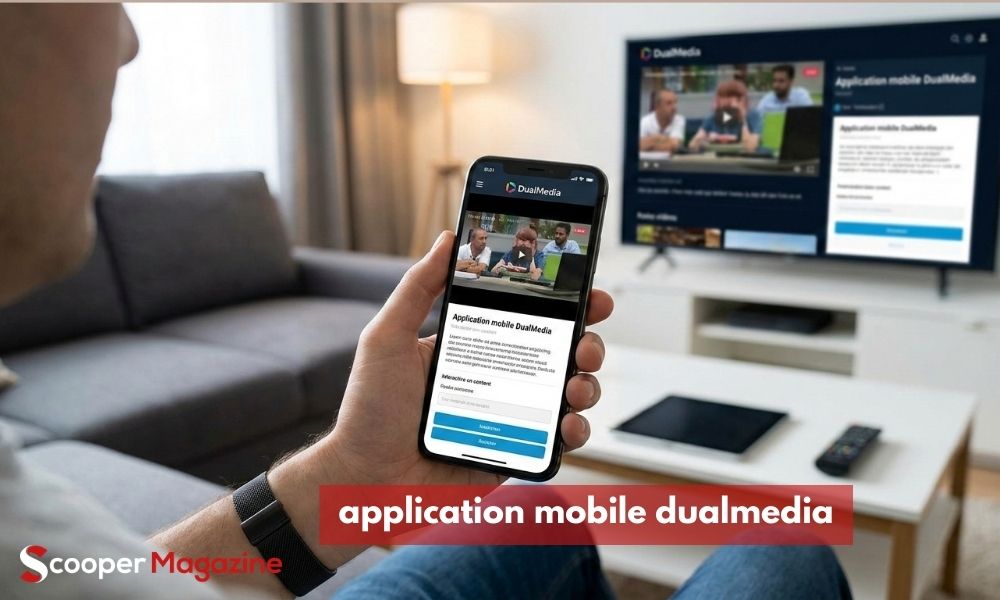
In today’s digital landscape, mobile applications have become an essential part of everyday life. From entertainment and communication to content creation and media sharing, people rely on mobile apps for almost everything. Among the growing number of digital platforms, the DualMedia has gained attention as a flexible and modern media platform designed for smartphone users.
This application mobile dualmedia article explores the purpose, features, benefits, and potential uses of the DualMedia mobile application. Whether you are someone who enjoys exploring new apps or a user looking for a convenient media-sharing platform, understanding how DualMedia works can help you decide if it fits your digital needs.
Mobile technology continues to evolve rapidly, and applications that combine multiple media functions into a single interface are becoming increasingly popular. DualMedia is part of this growing trend, aiming to provide users with a seamless and engaging mobile experience.
What Is the DualMedia Mobile Application?
The DualMedia is a modern mobile platform designed to support various types of media interaction within one application. Instead of requiring users to switch between multiple apps to share images, watch videos, or communicate with others, DualMedia attempts to bring these features together.
The main idea behind the platform is integration and simplicity. Many mobile users find it inconvenient to manage several apps for different types of media activities. DualMedia addresses this challenge by providing a unified platform where users can handle multiple forms of content.
This application mobile dualmedia article highlights how the platform simplifies digital interaction and why integrated apps are becoming more popular in the modern mobile ecosystem.
The Growing Importance of Mobile Media Applications
The demand for media-focused mobile applications has increased significantly over the past decade. Smartphones have become the primary devices for browsing the internet, watching videos, and sharing digital content.
Several factors contribute to the rise of these applications:
1. Convenience and Accessibility
Mobile apps allow users to access information and entertainment anytime and anywhere. With just a few taps, users can open a platform and instantly interact with content.
2. Instant Content Sharing
Sharing media has become a central part of digital communication. Images, short videos, and multimedia posts are now common forms of online expression.
3. Community Interaction
Modern apps encourage users to connect with others through comments, reactions, and discussions.
4. Integrated Features
Instead of downloading many different applications, users prefer platforms that combine multiple functions. This is where apps like the DualMedia come into play.
By bringing several media tools into a single environment, the platform attempts to simplify the digital experience for users.
Key Features Highlighted in This Application Mobile DualMedia Article
Understanding the features of a mobile application is essential for determining its usefulness. The DualMedia mobile application offers a variety of tools designed to improve how users interact with digital content.
Media Sharing Tools
One of the primary features discussed in this application mobile dualmedia article is the ability to share multimedia content easily. Users can upload images, videos, or posts and distribute them within the platform.
Media sharing is designed to be straightforward so that even users who are new to the platform can participate without difficulty.
Clean and User-Friendly Interface
A simple interface is one of the most important elements of any successful mobile application. The DualMedia focuses on a clean design that prioritizes usability.
Users can quickly navigate through menus, explore content, and access different features without confusion. This makes the platform suitable for both beginners and experienced smartphone users.
Support for Multiple Media Formats
Digital communication today involves various types of content. A platform that supports only one format can feel limiting. DualMedia supports several media types, including:
-
Photos and image posts
-
Short video content
-
Text-based updates
-
Multimedia posts
By supporting multiple formats, the platform allows users to express themselves creatively.
Social Interaction Features
Another important aspect covered in this application mobile dualmedia article is user interaction. Media platforms are not only about content consumption but also about communication.
DualMedia allows users to engage with others through:
-
Comments
-
Reactions
-
Discussions
-
Content sharing
These features create a sense of community within the application.
Fast Content Loading
Speed is a crucial factor in user satisfaction. Mobile users expect content to load quickly without delays. Efficient performance ensures that images, videos, and posts appear smoothly while browsing.
Fast loading times make the overall experience more enjoyable and reduce user frustration.
Benefits of Using the DualMedia Mobile Application
This application mobile dualmedia article would not be complete without exploring the advantages of using the platform.
1. All-in-One Media Platform
Instead of switching between multiple applications, users can access several media functions within a single app.
2. Simplified Digital Experience
The platform’s design focuses on reducing complexity. Users can manage content easily without navigating through complicated menus.
3. Enhanced Communication
Sharing media often leads to conversations. The application supports interaction between users through comments and reactions.
4. Convenient Content Organization
Managing digital content becomes easier when it is stored and organized within one platform.
How DualMedia Fits Into the Modern Mobile Ecosystem
The smartphone market continues to expand, and mobile apps are constantly evolving to meet user expectations. The success of any application depends on how well it integrates with modern digital habits.
The DualMedia aligns with several important trends:
-
Multi-purpose applications
-
Media-focused social interaction
-
Fast and responsive mobile interfaces
-
Simplified content management
These trends reflect the changing ways people use smartphones for both communication and entertainment.
User Experience and Design Philosophy
One of the most noticeable aspects of the DualMedia platform is its design philosophy. The developers appear to focus on simplicity and accessibility.
A well-designed mobile application should allow users to perform tasks quickly without requiring extensive instructions. DualMedia attempts to follow this principle by providing intuitive navigation and clearly labeled features.
This approach ensures that users spend more time interacting with content rather than figuring out how the app works.
Security and Privacy Considerations
When using any digital platform, users naturally want to know that their information is secure. Mobile applications must implement security measures to protect user data.
Platforms like the DualMedia typically address security concerns through several methods:
-
Secure login systems
-
Data protection protocols
-
Privacy settings for shared content
-
Account management tools
These features help maintain a safe environment for users who share personal or creative media content.
Possible Use Cases for the DualMedia Mobile Application
Different users may find different ways to use the platform depending on their interests.
Personal Content Sharing
Individuals may use the application to share everyday photos or videos with friends and family.
Community Engagement
Groups or communities can use the platform to exchange updates and media related to shared interests.
Content Creation
Creative users may post multimedia content to engage with a wider audience.
Digital Communication
Media posts can serve as conversation starters, encouraging interaction among users.
Future Potential of Integrated Mobile Applications
The concept behind the DualMedia reflects a broader shift in mobile technology. Users increasingly prefer apps that combine multiple capabilities rather than focusing on a single function.
Future developments in integrated mobile apps may include:
-
Personalized content recommendations
-
Improved media editing tools
-
Artificial intelligence for content discovery
-
Expanded community features
As technology continues to advance, platforms like DualMedia may evolve to include even more sophisticated capabilities.
Tips for New Users
If you are planning to explore the platform after reading this application mobile dualmedia article, a few practical tips can improve your experience.
First, take time to explore the main features of the application. Understanding how different tools work will make navigation easier.
Second, organize your uploaded media so that it remains easy to manage.
Third, review privacy settings to control who can view your content.
Finally, keep the application updated to ensure you benefit from the latest improvements and features.
Conclusion
This application mobile dualmedia article highlights how modern mobile platforms are evolving to meet the needs of digital users. As smartphones continue to dominate online activity, applications that combine multiple features into one convenient platform are becoming increasingly valuable.
The DualMedia represents this shift toward integrated mobile experiences. With its focus on media sharing, user interaction, and simple design, the platform demonstrates how mobile apps can bring different forms of digital communication together.
While every user has unique preferences when choosing an application, the concept behind DualMedia reflects an important direction in mobile technology—creating simpler, more connected, and more versatile digital environments for modern smartphone users.
FAQs
What is the DualMedia mobile application?
The DualMedia is a digital platform that combines media sharing, communication, and content interaction within a single mobile app.
Why are integrated mobile apps becoming popular?
Integrated apps reduce the need for multiple applications by offering several functions in one place, making the user experience more convenient.
Is DualMedia suitable for beginners?
Yes. The platform is designed with a simple interface that allows users to navigate features easily.
What types of content can users share?
Users can typically share images, videos, and multimedia posts depending on the platform’s capabilities.
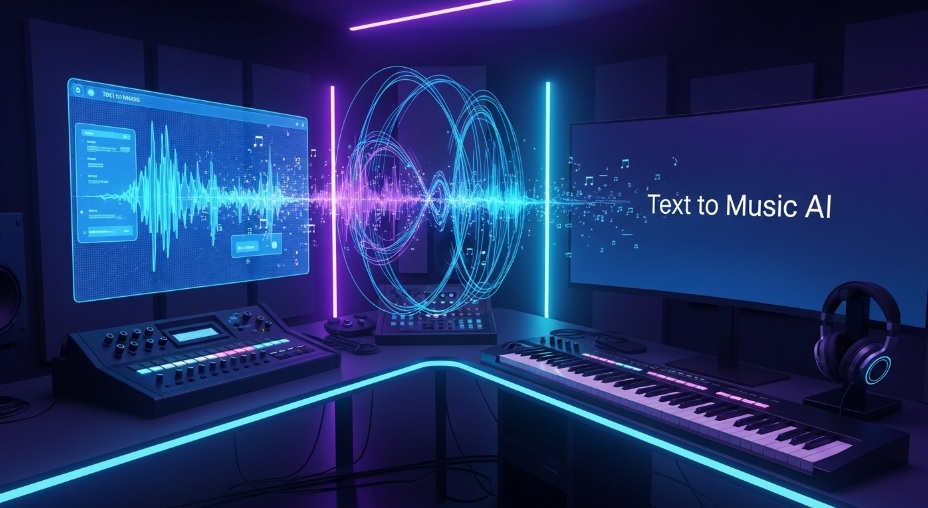
Music has always been a powerful way to express feelings, tell stories, and connect people. Today, Text to Music AI is making music creation easier than ever. With just a few words, anyone can turn ideas into melodies, beats, and full songs.
If you want to explore how this technology works in real life, platforms like Text to Music AI show how written prompts can instantly become complete tracks. This innovation is often called Text to Song technology because it converts simple text into finished music.
In this article, you will learn what Text to Music AI is, how it works, its benefits, and how beginners can start using it.
What Is Text to Music AI?
Text to Music AI is a technology that uses artificial intelligence to create music from written instructions. You type a description like:
“A calm piano melody with soft rain sounds and emotional strings.”
Within seconds, the AI generates music based on your request.
This process is also known as Text to Song, where written prompts become structured compositions including melody, rhythm, harmony, and sometimes vocals.
Unlike traditional music production, you don’t need instruments or advanced software skills. The AI handles the technical work.
How Does Text to Song Technology Work?
Text to Song systems use advanced machine learning models trained on thousands (or millions) of music samples. These models learn patterns such as:
- Melody structures
- Chord progressions
- Rhythm patterns
- Song arrangements
- Instrument combinations
When you enter a prompt, the AI:
- Analyzes the mood and style described in your text.
- Predicts musical elements that match your description.
- Generates a new, original composition.
- Produces audio output in seconds.
It doesn’t copy existing songs. Instead, it creates new music based on learned patterns.
Why Text to Music AI Is Becoming Popular
1. Easy for Beginners
You don’t need music theory knowledge. Just describe your idea.
Example prompts:
- “Happy summer pop song with upbeat drums.”
- “Dark cinematic trailer music.”
- “Romantic acoustic guitar love song.”
The AI does the rest.
2. Saves Time
Traditional music production can take hours or days. Text to Music AI can generate drafts in seconds. This makes it useful for:
- Content creators
- YouTubers
- Game developers
- Social media marketers
- Students
3. Creative Inspiration
Sometimes musicians face writer’s block. Text to Song tools can generate ideas quickly, helping artists build on fresh inspiration.
Benefits of Using Text to Music AI
Here are some clear advantages:
Fast Music Creation
You can generate background music instantly for videos or projects.
Affordable Production
No need for expensive studios or instruments.
Experimentation Without Risk
Try different genres like:
- Hip hop
- Pop
- EDM
- Classical
- Jazz
- Lo-fi
All from simple text prompts.
Customization
You can adjust:
- Tempo
- Mood
- Instruments
- Vocal style
- Song length
Who Can Use Text to Song Tools?
Text to Music AI is useful for many people:
🎥 Content Creators
Need copyright-safe background music.
🎮 Game Developers
Generate atmospheric music for levels or scenes.
📚 Students
Learn about music structure through experimentation.
🎤 Musicians
Create demo tracks quickly.
📱 Social Media Creators
Produce unique audio for Reels, TikTok, and Shorts.
Text to Music AI vs Traditional Music Production
| Feature | Text to Music AI | Traditional Production |
| Time Required | Seconds to minutes | Hours or days |
| Skill Needed | Basic description writing | Music theory & software |
| Cost | Often low or free | Studio & software costs |
| Flexibility | Instant revisions | Manual re-editing |
Both methods have value. AI is not replacing musicians. Instead, it is becoming a creative assistant.
Challenges and Limitations
Even though Text to Song technology is powerful, it has limitations:
- Complex emotional nuance may be harder to achieve.
- Custom mixing control may be limited.
- Some AI outputs may sound generic without detailed prompts.
The quality often depends on how clearly you describe your idea.
How to Write Better Prompts for Text to Song
To get better results:
- Be specific about mood (happy, dark, epic, calm).
- Mention instruments (piano, violin, synth, guitar).
- Describe tempo (slow, medium, fast).
- Add context (background music for vlog, game battle theme).
Example strong prompt:
“Energetic electronic dance track with heavy bass drops, festival vibe, 128 BPM.”
Clear prompts produce better music.
The Future of Text to Music AI
Text to Music AI is evolving quickly. Future improvements may include:
- More realistic vocals
- Emotion-aware composition
- Real-time editing
- Personalized style cloning
- Multilingual lyric generation
As AI technology grows, music creation will become even more accessible.
Is Text to Music AI Replacing Musicians?
No.
AI is a tool. Musicians still bring emotion, storytelling, and personal experience. Text to Song tools simply help speed up creation and expand possibilities.
Just like cameras didn’t replace painters, AI won’t replace human creativity.
Final Thoughts
Text to Music AI is transforming how we create and experience music. With just a few words, anyone can generate original songs. The rise of Text to Song technology makes music creation faster, easier, and more accessible than ever.
Whether you are a beginner exploring creativity or a professional seeking quick drafts, this innovation opens new doors. The future of music is not just played — it is written, described, and generated through intelligent systems.
And the best part? It all starts with simple text.

Facebook advertising has become one of the most effective growth channels for modern businesses, but it has also become more complex than ever. What used to work with simple targeting and basic creatives now requires constant testing, strong creative strategy, deep data analysis, and a solid understanding of Meta’s algorithm. For growing brands, managing all of this internally can quickly become overwhelming.
This is where a Facebook ads agency comes in. Rather than simply running ads, these agencies help brands build structured, scalable systems for customer acquisition. To understand whether hiring one makes sense, it is important to know what a Facebook ads agency actually does and how it supports long term growth.
What is a Facebook ads agency?
A Facebook ads agency is a specialized marketing firm that manages paid advertising across Facebook, Instagram, and the wider Meta ad network. Its role goes far beyond launching campaigns and boosting posts.
These agencies combine strategy, creative development, media buying, and analytics into a single service. With more than 10 million active advertisers on Meta platforms, according to Meta’s own data, competition is intense. A Facebook ads agency helps brands stand out by using proven systems and experience gained from managing multiple ad accounts across industries.
Why do growing brands hire a Facebook ads agency?
Growing brands hire a Facebook ads agency because scaling ads without structure often leads to wasted spend. As budgets increase, small inefficiencies can quickly turn into large losses.
Industry data from Wordstream shows that the average click through rate for Facebook ads across industries is around 0.9 percent. Top performing brands often exceed this significantly, but doing so requires consistent testing and optimization. Agencies bring pattern recognition from working with many accounts, allowing them to identify what works faster and avoid costly trial and error.
How does a Facebook ads agency build an ad strategy?
A Facebook ads agency starts with strategy, not ads. Before launching anything, the agency analyzes the brand’s business model, audience, and goals.
This process typically includes reviewing historical performance, understanding customer lifetime value, and mapping the funnel from first impression to conversion. The agency then creates a testing roadmap that defines which audiences, creatives, and offers will be tested first.
This structured approach matters because Meta’s algorithm favors consistency and clear signals. Brands that jump between tactics often struggle, while those with a defined strategy see more stable results over time.
How does a Facebook ads agency manage audience targeting?
Audience targeting is one of the most technical parts of Facebook advertising. A Facebook ads agency handles this by building layered targeting systems that balance reach and relevance.
Agencies work with core audiences based on interests and demographics, custom audiences from website visitors and email lists, and lookalike audiences built from high value customers. Meta has reported that advertisers using lookalike audiences often see conversion rates increase by more than 30 percent compared to broad cold targeting.
Over time, agencies refine these audiences based on performance data, ensuring ads are shown to people most likely to convert while avoiding audience fatigue.
What role does creative play in a Facebook ads agency?
Creative is often the biggest driver of performance in Facebook advertising. A Facebook ads agency treats creative as an ongoing process rather than a one time task.
Instead of launching a single ad, agencies test multiple variations of visuals, videos, and copy. They experiment with different hooks, formats, and messaging angles. Meta has consistently stated that creative quality is one of the strongest predictors of ad success, even more than targeting.
In the middle of this workflow, many teams rely on systems and tools similar to a modern facebook ads agency setup, where Heyoz supports creative production, testing, and iteration at scale. This type of setup helps agencies move faster without sacrificing performance or consistency.
How does a Facebook ads agency handle budgets and scaling?
Budget management is where a Facebook ads agency protects brands from unnecessary risk. Instead of scaling aggressively, agencies increase spend in controlled steps based on performance trends.
They closely monitor metrics such as cost per acquisition, return on ad spend, and frequency. Research from Revealbot suggests that ad fatigue often appears when frequency exceeds 2.5 to 3 within a short period. Agencies respond by rotating creatives, expanding audiences, or adjusting placements to maintain efficiency.
This disciplined approach helps brands scale sustainably rather than experiencing short term spikes followed by performance drops.
How does optimization work over time with a Facebook ads agency?
Optimization is continuous. A Facebook ads agency regularly reviews performance data to identify what should be paused, duplicated, or improved.
This includes refining ad copy, testing new creative formats, adjusting targeting, and aligning campaigns with changing business goals. According to industry benchmarks, brands that move from unmanaged to professionally managed accounts often see cost per acquisition decrease by 20 to 40 percent within the first few months.
These gains come from consistent iteration rather than dramatic changes.
How does reporting and analytics work with a Facebook ads agency?
Transparent reporting is a core responsibility of a Facebook ads agency. Brands need clarity on where money is being spent and what results are being generated.
Agencies typically provide reports covering spend, conversions, revenue, and key efficiency metrics. More importantly, they interpret the data and explain what it means for future decisions. This strategic insight helps founders and marketing teams make informed choices rather than reacting to isolated numbers.
When is the right time to hire a Facebook ads agency?
The right time to hire a Facebook ads agency is usually when a brand has validated its product and is ready to scale acquisition. Early experimentation can often be handled internally, but growth requires systems and expertise.
Signs it may be time include rising costs, inconsistent results, limited internal resources, or a lack of structured testing. Brands spending consistently on Facebook ads often benefit from agency support once complexity increases.
Conclusion
A Facebook ads agency does far more than manage campaigns. It provides strategy, structure, creative testing, audience expertise, and performance analysis that growing brands often cannot maintain in house.
By turning paid social into a repeatable system rather than a guessing game, agencies help brands scale more efficiently and with less risk. For businesses serious about long term growth, understanding what a Facebook ads agency actually does is the first step toward deciding if it is the right partner for their next stage.

Application Mobile DualMedia Article: A Complete Guide to the DualMedia Mobile Experience

On! vs LOOP: How to Tell the Difference

Text to Music AI: How Artificial Intelligence Is Changing the Way We Create Songs

Who Is Amelia Jane Henson? Everything You Need to Know About Mia Sara and Brian Henson’s Daughter

Who Is Nadia Farmiga? Everything You Need to Know About Vera Farmiga’s Sister

Who Is Jasmine Gong? Everything You Should Know About Brad Williams’ Wife
-
 CELEBRITY1 year ago
Who Is Amelia Jane Henson? Everything You Need to Know About Mia Sara and Brian Henson’s Daughter
-
 BUSINESS12 months ago
Who Is Nadia Farmiga? Everything You Need to Know About Vera Farmiga’s Sister
-
 CELEBRITY1 year ago
Who Is Jasmine Gong? Everything You Should Know About Brad Williams’ Wife
-

 CELEBRITY1 year ago
Matt Danzeisen: The Influential Yet Low-Key Force Behind Peter Thiel’s Success
-

 CELEBRITY1 year ago
Rachel Catudal: Everything You Need to Know About Brandon Quinn’s Wife
-

 CELEBRITY1 year ago
Who Is Gianluca Cugnetto? Everything You Need to Know About Hannah Waddingham’s Ex-Husband
-

 CELEBRITY1 year ago
Who Is Rosemary Margaret Hobor?: Everything You Need to Know About John Candy’s Wife
-

 CELEBRITY1 year ago
Who Is Joe Alfie Winslet Mendes? Everything You Should Know About Kate Winslet’s Son