
LATEST
chatbot technology updates aggr8tech: A Complete Guide to Modern AI Chatbots

 The digital world is changing faster than ever, and one of the most powerful forces behind this transformation is chatbot technology. From customer service and e-commerce to healthcare and education, chatbots have evolved into essential tools that reshape how humans interact with technology. Among platforms tracking and highlighting these advancements, chatbot technology updates Aggr8Tech has emerged as a growing reference point for understanding how conversational AI is advancing and where it is heading next.
This in-depth article explores chatbot technology updates through the Aggr8Tech lens, covering recent innovations, real-world applications, business benefits, challenges, ethical considerations, and future trends. Whether you are a business owner, developer, tech enthusiast, or curious reader, this guide will help you understand why chatbot technology matters more than ever.
Understanding Chatbot Technology in Simple Terms
At its core, a chatbot is a software application designed to simulate conversation with humans. Early chatbots followed basic scripts, responding only to predefined commands. Modern chatbots, however, are powered by artificial intelligence and can understand natural language, context, and even emotions.
Chatbot technology updates Aggr8Tech often focus on how these systems are becoming smarter, more human-like, and more useful across industries. Instead of simply answering questions, today’s chatbots can assist, recommend, analyze, and act.
The Evolution of Chatbots: From Rules to Intelligence
Early Rule-Based Chatbots
The first chatbots worked on if-then rules. They were predictable and limited, often frustrating users when conversations went off-script.
AI and NLP Revolution
The introduction of Natural Language Processing (NLP) and machine learning transformed chatbot capabilities. Bots could now:
-
Understand intent rather than keywords
-
Learn from previous conversations
-
Improve accuracy over time
Aggr8Tech highlights this shift as the foundation for today’s intelligent chatbot ecosystems.
Why Chatbot Technology Updates Matter Today
Chatbots are no longer optional tools. They are becoming digital employees that operate 24/7, reduce costs, and improve user experiences.
Key reasons chatbot technology updates are important:
-
Growing demand for instant responses
-
Rising customer expectations
-
Increased digital interactions
-
Need for scalable communication solutions
Chatbot technology updates Aggr8Tech emphasize how staying current with these changes helps businesses remain competitive.
Major Chatbot Technology Updates Covered by Aggr8Tech
1. Advanced Natural Language Understanding (NLU)
Modern chatbots can understand:
-
Complex sentences
-
Slang and informal language
-
Multiple intents in a single message
This allows conversations to feel more natural and less robotic.
2. Context-Aware Conversations
One of the most important chatbot technology updates Aggr8Tech discusses is context retention. Chatbots now remember:
-
Previous questions
-
User preferences
-
Conversation history
This makes interactions smoother and more human-like.
3. Multilingual and Global Chatbots
With global businesses expanding online, chatbots now support multiple languages. Advanced AI models can:
-
Translate conversations in real time
-
Maintain cultural sensitivity
-
Serve international audiences effectively
4. Voice-Enabled Chatbots
Voice technology is becoming mainstream. Chatbots now integrate with:
-
Voice assistants
-
Call centers
-
Smart devices
Aggr8Tech often notes how voice-based chatbots are reshaping accessibility and user convenience.
5. Integration With Business Tools
Modern chatbots seamlessly connect with:
-
CRMs
-
Payment systems
-
Inventory software
-
Analytics platforms
This turns chatbots into action-driven tools rather than simple responders.
How Businesses Benefit From Chatbot Technology
Improved Customer Support
Chatbots handle common queries instantly, reducing wait times and human workload.
Cost Efficiency
Automating repetitive tasks lowers operational costs.
Lead Generation and Sales
Chatbots qualify leads, recommend products, and guide users through purchases.
24/7 Availability
Unlike human agents, chatbots never sleep.
Chatbot technology updates Aggr8Tech frequently highlight how these benefits directly impact revenue and customer satisfaction.
Humanizing Chatbots: The New Priority
One major trend emphasized in chatbot technology updates Aggr8Tech is humanization. Users expect bots to:
-
Show empathy
-
Understand tone
-
Respond conversationally
Human-like chatbots improve trust, engagement, and long-term adoption.
Chatbots in Different Industries
E-Commerce
-
Product recommendations
-
Order tracking
-
Personalized shopping experiences
Healthcare
-
Appointment scheduling
-
Symptom checking
-
Patient support
Education
-
Student assistance
-
Course guidance
-
Learning support
Finance
-
Account inquiries
-
Fraud alerts
-
Financial advice
Aggr8Tech often showcases how chatbot technology adapts uniquely to each sector.
The Role of Machine Learning in Chatbot Growth
Machine learning allows chatbots to:
-
Learn from mistakes
-
Improve responses over time
-
Adapt to user behavior
This self-improving capability is one of the most powerful chatbot technology updates Aggr8Tech monitors closely.
Ethical AI and Responsible Chatbots
As chatbot usage increases, ethical concerns grow. Important considerations include:
-
Data privacy
-
Bias in AI responses
-
Transparency in automated interactions
Aggr8Tech stresses the importance of responsible chatbot development to maintain user trust.
Security Enhancements in Modern Chatbots
Recent chatbot technology updates include:
-
Encrypted conversations
-
Secure authentication
-
Compliance with data protection laws
These measures ensure user data remains safe.
Chatbots and AI Automation
Chatbots are now part of larger automation ecosystems. They:
-
Trigger workflows
-
Automate tasks
-
Reduce human intervention
This makes them powerful tools for digital transformation.
The Future of Chatbot Technology According to Aggr8Tech
Looking ahead, chatbot technology updates Aggr8Tech predict several trends:
Emotionally Intelligent Chatbots
Bots that recognize emotions through language patterns.
Hyper-Personalization
Chatbots that adapt to individual users in real time.
Deeper AI Integration
Chatbots that act as digital assistants across platforms.
Greater Autonomy
Bots capable of making decisions within defined limits.
Challenges Facing Chatbot Technology
Despite progress, challenges remain:
-
Misinterpretation of intent
-
Over-automation risks
-
User resistance to AI
Aggr8Tech encourages balanced adoption with human oversight.
Chatbot Technology Updates and SEO Impact
From an SEO perspective, chatbot technology updates Aggr8Tech generate growing search interest due to:
-
Low competition keywords
-
Informational user intent
-
Rising AI curiosity
Educational content around chatbots performs well in search rankings.
How Businesses Should Approach Chatbot Adoption
Best practices include:
-
Starting with clear goals
-
Choosing scalable solutions
-
Regularly updating chatbot models
-
Monitoring performance and feedback
Aggr8Tech often emphasizes strategy over hype.
Chatbots vs Traditional Customer Support
Compared to traditional systems, chatbots offer:
-
Faster responses
-
Lower costs
-
Consistent service
However, human agents remain important for complex issues.
Measuring Chatbot Success
Key performance indicators include:
-
User satisfaction
-
Resolution rate
-
Engagement metrics
-
Conversion impact
Tracking these metrics ensures continuous improvement.
Why Chatbot Technology Updates Aggr8Tech Are Gaining Attention
The keyword chatbot technology updates aggr8tech is gaining traction because it combines:
-
AI innovation
-
Practical business value
-
Educational intent
Users are actively searching for reliable insights into chatbot advancements.
Final Thoughts
Chatbot technology is no longer a futuristic concept—it is a present-day necessity. With rapid advancements in AI, machine learning, and conversational design, chatbots are becoming smarter, more human, and more valuable than ever.
By following chatbot technology updates Aggr8Tech, businesses and individuals can stay informed about the latest innovations shaping digital communication. As chatbots continue to evolve, those who understand and adopt them responsibly will gain a significant advantage in the digital landscape.
FAQs
1. What are chatbot technology updates Aggr8Tech about?
They focus on the latest advancements, trends, and insights in chatbot and conversational AI technology.
2. Why are chatbots important for businesses?
They improve efficiency, reduce costs, and enhance customer experience.
3. Are modern chatbots human-like?
Yes, new chatbot technology emphasizes natural, empathetic conversations.
4. Is chatbot technology safe?
With proper security and ethical design, modern chatbots are increasingly secure and reliable.
5. What is the future of chatbots?
Emotion-aware, personalized, and highly autonomous chatbots will define the next phase.

Cryptocurrency has transformed the way people invest, trade, and manage digital assets. Among the many crypto exchanges available today, Binance has established itself as one of the most recognized platforms globally. Since its launch in 2017, Binance has grown rapidly by offering a wide range of services, competitive fees, and advanced trading tools for both beginners and experienced investors. Binance is considered one of the world’s largest cryptocurrency exchanges by trading volume and user base.
If you are interested in starting your crypto journey, learning about Binance is an excellent first step.
What Is Binance?
Binance is a global cryptocurrency exchange platform that allows users to buy, sell, trade, and store digital currencies. It supports hundreds of cryptocurrencies, including Bitcoin, Ethereum, BNB, Solana, and many other popular digital assets.
The platform was founded in 2017 by Changpeng Zhao and Yi He. Over the years, Binance has expanded beyond a simple trading exchange and now offers a complete ecosystem of crypto-related products and services.
Why Is Binance So Popular?
Binance has become a preferred choice for millions of users because of its user-friendly interface and extensive features. Some of the main reasons for its popularity include:
- Support for hundreds of cryptocurrencies
- Competitive trading fees
- Strong security measures
- High market liquidity
- Mobile and desktop accessibility
- Educational resources for beginners
- Multiple investment products
Whether someone is new to cryptocurrency or an experienced trader, Binance offers tools that suit different investment goals.
Key Features of Binance
1. Spot Trading
Spot trading is one of Binance’s most popular features. Users can instantly buy and sell cryptocurrencies at current market prices.
2. Binance Earn
Binance Earn allows users to generate passive income through staking and savings products. Investors can potentially grow their holdings without actively trading.
3. Binance Academy
Education is a major focus for Binance. Binance Academy provides free educational content covering blockchain technology, cryptocurrency basics, trading strategies, and security tips.
4. Mobile Application
The Binance mobile app allows users to trade and monitor their investments anywhere. The application is available for both Android and iOS devices.
5. Advanced Trading Tools
Professional traders can access features such as charts, technical indicators, futures trading, and risk management tools.
How to Get Started with Binance
Creating a Binance account is straightforward. New users can register, complete identity verification, and begin exploring the platform.
If you are ready to create an account, you can start through 바이낸스 가입 and follow the registration process.
Generally, users will need to:
- Create an account.
- Verify their identity.
- Enable security features.
- Deposit funds.
- Start trading cryptocurrencies.
Always review your local regulations before using any cryptocurrency platform, as availability may vary by region.
Binance Security Features
Security is one of Binance’s top priorities. The platform uses several protective measures, including:
- Two-factor authentication (2FA)
- Device management
- Withdrawal address management
- Identity verification
- Risk monitoring systems
Users should also adopt personal security practices, such as creating strong passwords and never sharing account credentials with anyone.
Advantages of Using Binance
There are several benefits to choosing Binance:
- Large selection of digital assets
- Competitive transaction fees
- High liquidity for faster transactions
- Educational resources for beginners
- Multiple earning opportunities
- User-friendly platform design
These advantages have helped Binance become a trusted name within the cryptocurrency industry.
Final Thoughts
Binance has evolved into much more than a cryptocurrency exchange. It offers a complete ecosystem that supports trading, investing, learning, and managing digital assets. Whether you are a beginner exploring cryptocurrency for the first time or an experienced investor looking for advanced trading tools, Binance provides a wide range of options to meet different needs.
Before investing, always conduct your own research, understand the risks associated with cryptocurrencies, and invest responsibly. As the digital finance industry continues to grow, platforms like Binance are expected to remain important players in shaping the future of global finance.

Dental Express Santee is a dental office in Santee, California, that serves patients looking for routine dental care, family dentistry, emergency treatment, and other common dental services. According to The Dental Express website, the Santee location is part of The Dental Express dental group and is located at 9480 Cuyamaca St, Santee, CA 92071. The official location page also says the office welcomes walk-ins and allows patients to schedule appointments online or by phone.
What Is Dental Express Santee?
Dental Express Santee is a local dental clinic designed for patients who want accessible dental care in the Santee area. The clinic offers care for both children and adults, which makes it a convenient option for families who prefer one dental office for multiple family members.
A family dental office can be helpful because parents, children, and older adults often have different dental needs. Children may need exams, cleanings, fluoride, sealants, and cavity prevention. Adults may need fillings, crowns, gum care, whitening, dentures, or emergency dental visits.
The idea behind a clinic like Dental Express Santee is to make dental visits easier, more flexible, and more comfortable for everyday patients.
Where Is Dental Express Santee Located?
Dental Express Santee is listed at 9480 Cuyamaca St, Santee, CA 92071. The Dental Express “find a dentist near me” page and contact page both list this same Santee address and phone number, 619-701-6623.
Location matters when choosing a dentist. A nearby dental office can make it easier to attend regular checkups, return for follow-up visits, and get urgent help if tooth pain appears suddenly.
For families, convenience is even more important. A clinic that is easy to reach can make dental care feel less stressful, especially when children need appointments or when adults have busy work schedules.
What Services Does Dental Express Santee Offer?
Dental Express Santee appears to offer a wide range of dental services. A PatientConnect365 listing for the office says services include emergency dental care, cleanings, fillings, crowns, root canals, removable dentures, whitening, oral surgery, wisdom tooth extraction, and more.
This kind of service variety can be useful because many patients prefer not to visit several different offices for basic care. If a clinic offers preventive, restorative, cosmetic, and emergency services, patients may be able to handle most common dental needs in one place.
However, patients should always confirm services directly with the clinic before booking, especially if they need a specific treatment such as implants, oral surgery, sedation, or complex restorative work.
Routine Dental Exams and Cleanings
Routine exams and cleanings are the foundation of dental care. During a checkup, the dental team may examine your teeth, gums, bite, and existing dental work. They may also take X-rays when needed.
Cleanings help remove plaque and tartar that brushing and flossing may miss. This can reduce the risk of cavities, gum disease, and bad breath.
For many patients, regular cleanings are the simplest way to avoid bigger dental problems later. Preventive care is usually easier and more affordable than emergency treatment.
Emergency Dental Care
One reason patients may search for Dental Express Santee is because they need quick help for tooth pain, swelling, a broken tooth, lost filling, or dental injury. The office’s listing states that emergency dental care is among its services.
Dental emergencies should not be ignored. Pain, swelling, infection, or trauma can become worse without proper care. A dentist can examine the problem, take X-rays if needed, and recommend treatment.
Emergency treatment may include a filling, crown, root canal, extraction, medication, or referral depending on the situation.
Fillings and Cavity Treatment
Cavities are one of the most common dental problems. A cavity happens when bacteria weaken the enamel and create a hole in the tooth.
If a cavity is found early, a dentist can usually repair it with a filling. If decay becomes deep, treatment may become more complex.
Fillings restore the damaged part of the tooth and help prevent the cavity from spreading. This is why regular checkups matter. Many cavities do not hurt in the beginning, so patients may not know they have one until a dentist finds it.
Dental Crowns
Dental crowns are often used when a tooth is weak, cracked, heavily filled, or badly damaged. A crown covers the visible part of the tooth and helps restore strength, shape, and appearance.
Crowns may also be recommended after root canal treatment or when a large filling is not enough to protect the tooth.
If you need a crown, ask the dentist what material is best for your situation, how long the process may take, and how to care for the crown after treatment.
Root Canal Treatment
Root canal treatment may be needed when infection or inflammation reaches the inside of the tooth. This can happen because of deep decay, cracks, injury, or repeated dental work.
Many people feel nervous when they hear “root canal,” but the goal of the treatment is to save the natural tooth and relieve pain. After root canal treatment, the tooth may need a crown for protection.
If you have severe toothache, swelling, sensitivity to hot or cold, or pain when biting, you should see a dentist quickly.
Teeth Whitening
Teeth whitening is another service listed for Dental Express Santee. Whitening can help brighten natural teeth that have stains from coffee, tea, tobacco, aging, or dark-colored foods.
However, whitening does not work the same way on crowns, veneers, fillings, or bonding. If you have visible dental restorations, ask the dentist whether whitening will create an even result.
A dental consultation is the safest way to choose the right whitening option.
Dentures and Tooth Replacement
The Santee office listing mentions removable dentures. Dentures can help replace missing teeth and improve chewing, speaking, facial support, and smile appearance.
Dentures may be full or partial. Full dentures replace all teeth in an arch, while partial dentures replace some missing teeth.
A good denture should fit comfortably and support daily function. If dentures feel loose, painful, or unstable, a dentist may need to adjust, reline, or replace them.
Wisdom Tooth Extraction and Oral Surgery
Wisdom teeth can cause problems if they do not have enough space to come in properly. They may become impacted, painful, infected, or difficult to clean.
The Dental Express Santee listing includes wisdom tooth extraction and oral surgery among services.
Not every wisdom tooth needs removal. A dentist usually checks X-rays, symptoms, tooth position, and risk factors before recommending extraction.
Dental Care for Children
Dental Express presents itself as family-friendly, and the official website mentions pediatric care on the Santee location page.
Children need dental care early because baby teeth play an important role in chewing, speech, and guiding permanent teeth. Regular visits also help children become comfortable with the dentist.
A child-friendly dental clinic can make appointments easier by using gentle communication, simple explanations, and a calm environment.
Walk-Ins and Same-Day Appointments
The official Dental Express Santee page says walk-ins are welcome. A PatientConnect365 listing also states that Dental Express is open six days a week, offers same-day appointments, and welcomes walk-ins.
This can be helpful for patients with sudden dental pain or busy schedules. Still, it is smart to call ahead when possible. Calling can help confirm availability, office hours, insurance details, and whether the clinic can handle your specific concern that day.
Office Hours
A PatientConnect365 listing shows Dental Express Santee hours as Monday through Friday from 8 AM to 5 PM, Saturday from 9 AM to 2 PM, and Sunday closed.
Because office hours can change, patients should confirm directly with the clinic before visiting. This is especially important for walk-ins, emergency care, holidays, or Saturday visits.
Insurance and Payment
The PatientConnect365 listing says Dental Express Santee accepts several insurances, including Denti-Cal.
Before booking, patients should confirm whether their specific insurance plan is accepted. Even if a clinic accepts a type of insurance, coverage can vary by plan, treatment, deductible, waiting period, and yearly maximum.
It is also helpful to ask for estimated costs before starting treatment.
What to Ask Before Your First Visit
Before visiting Dental Express Santee, ask a few simple questions. Ask whether they accept your insurance, whether they are accepting new patients, and whether same-day appointments are available.
If you need a specific service, such as emergency care, whitening, dentures, crowns, or wisdom tooth removal, ask whether that service is available at the Santee location.
You can also ask what to bring, such as ID, insurance card, medication list, previous X-rays, or medical history.
What to Expect During Your Appointment
During a first visit, the dental team may review your health history, ask about dental concerns, examine your teeth and gums, and take X-rays if needed.
If you are visiting for pain, the dentist may focus on the urgent problem first. If you are visiting for a routine checkup, the appointment may include an exam, cleaning, and treatment recommendations.
Good communication matters. Tell the dentist if you feel nervous, have pain, have had bad dental experiences before, or are worried about cost.
How to Choose the Right Dentist in Santee
Dental Express Santee may be a convenient option for many patients, but the right dentist depends on your personal needs. Look for a clinic that offers the services you need, has clear communication, explains treatment options, and makes you feel comfortable.
Also consider location, hours, insurance, emergency availability, and patient experience.
A good dental office should not rush you. The team should answer questions, explain treatment clearly, and help you understand your oral health.
FAQs About Dental Express Santee
What is Dental Express Santee?
Dental Express Santee is a dental office in Santee, California, offering dental services for children and adults.
Where is Dental Express Santee located?
The office is listed at 9480 Cuyamaca St, Santee, CA 92071.
What is the phone number for Dental Express Santee?
The official Dental Express location listing shows the Santee phone number as 619-701-6623.
Does Dental Express Santee accept walk-ins?
The official Santee page says walk-ins are welcome.
Does Dental Express Santee offer emergency dental care?
A PatientConnect365 listing for the office includes emergency dental care among its services.
Does Dental Express Santee treat children?
The official Santee page mentions pediatric care, and the office is described as serving families.
What services are offered at Dental Express Santee?
Listed services include cleanings, fillings, crowns, root canals, dentures, whitening, oral surgery, wisdom tooth extraction, and emergency care.
Should I call before visiting Dental Express Santee?
Yes. Even if walk-ins are welcome, calling first can help confirm hours, availability, insurance, and whether your specific dental need can be handled that day.
Final Thoughts
Dental Express Santee can be an option for patients in Santee who want family dental care, emergency support, routine cleanings, restorative treatment, whitening, dentures, or other common dental services. Its listed address is 9480 Cuyamaca St, Santee, CA 92071, and public listings show the phone number as 619-701-6623.
Before booking, it is always best to confirm services, insurance, hours, and appointment availability directly with the office. Dental care is personal, and the right clinic should make you feel informed, comfortable, and supported.
Whether you need a routine checkup or urgent dental help, choosing a dentist early can protect your teeth, reduce stress, and keep your smile healthier for the long term.
Visit familyteethcare.com for more helpful dental care guides and oral health tips.
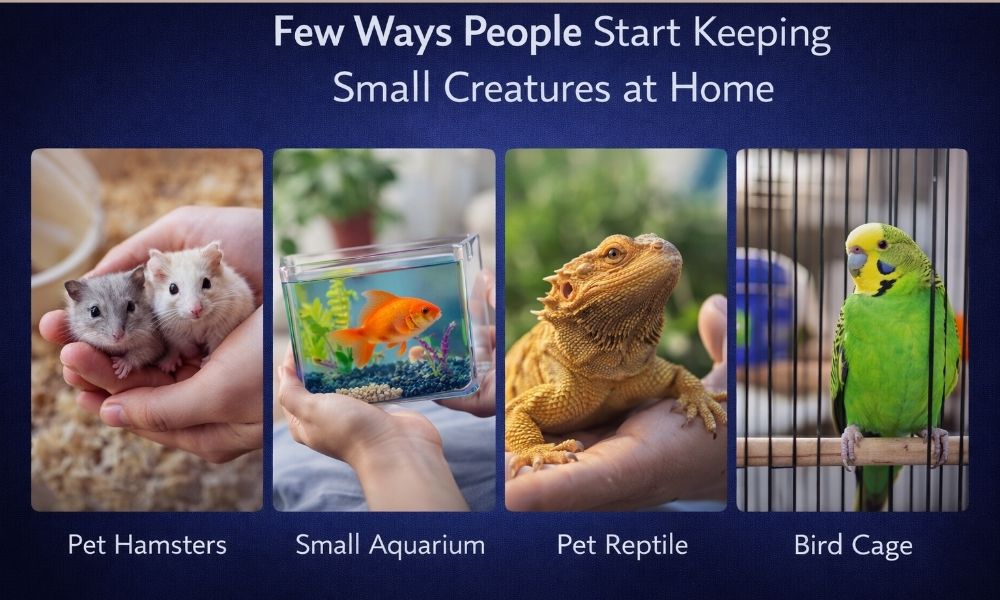
Keeping small pets is not something most people plan from the beginning. It usually starts with a random moment. A video, a photo, or someone talking about it. Then curiosity builds. At some point, people casually check inverts for sale uk options just to see what is available, not even thinking they might actually start.
Getting comfortable with small pet choices
Initially, it is strange. The majority are accustomed to dogs, cats or birds. Little animals are not the same. They do not respond in a similar manner. They do not express love in blatant forms.
That is also what makes them interesting. Thou sees more. You observe minor details. And gradually that indecision begins to dissipate.
Even after purchasing their first one, some of them still feel uncertain. The feeling lingers momentarily.
Why many people prefer low space pets
- Space is one of the biggest reasons people choose them.
- Not everyone has the room or time for larger animals. Small setups fit easily into daily life. A shelf, a table, or even a quiet corner works fine.
- And honestly, once it is set up properly, it does not take much effort to maintain.
- There is also less noise, less movement. For some, that is exactly what they want.
Setting up a small living environment
The setup part is where most people spend time in the beginning.
It does not have to be complicated, but it needs some thought. The basic idea is simple:
- A container that is secure
- Enough airflow
- A base layer like substrate
- A place where the creature can hide
Still, the first setup is rarely perfect. People adjust things later. Sometimes they change everything after a few days.
That trial and error phase is part of it.
How people slowly build interest
- It rarely stays at one.
- People say they will keep just a single one, but then they start comparing. Different sizes, different behaviors.
- And that curiosity grows quietly. No sudden jump. Just small steps.
- Sometimes they even start reading more, watching more, thinking about better setups and that is when things begin to change.
Creating a simple setup that actually works
Setting up a small habitat sounds easy, but small details change everything. Most people begin with a basic container, thinking that is enough. It works for a while, but then they notice small issues. Maybe it feels too dry. Maybe there is not enough airflow. These things are not obvious at first.
So people start adjusting slowly. Adding a better base layer, making small holes for ventilation, placing a hiding spot where the creature feels secure. It is not about making it perfect. It is more about making it comfortable over time.
Once the setup feels stable, everything else becomes easier. Feeding, observing, and even cleaning feels less stressful. It all starts to fall into place without much effort.
How interest grows without people noticing it
At the beginning, it feels like a one time thing. Just trying something new. Nothing serious.
But after a few days, people start checking more often. Just quick looks at first. Then longer observations. They notice movement, small patterns, changes in behavior. It becomes quietly interesting.
And then, without planning it, they start thinking about adding another one. Not urgently. Just a thought.
Sometimes they even tell themselves they will stop at one. But that rarely lasts. The curiosity builds slowly.
Different species, different behaviors, different setups. Each one adds something new to the experience.
It does not feel like a big hobby. It feels small, simple, almost casual. But it stays.
Not perfect, but manageable. And when that happens, many people go back and look at inverts for sale uk again, but this time they are not just browsing. They know what they are looking for. That quiet shift makes a difference. It no longer feels new. Just something they got used to, without really noticing when it happened.

A Beginner’s Guide to the World’s Leading Cryptocurrency Exchange

Dental Express Santee: What Patients Should Know Before Choosing a Local Dentist

Best AI Face Swap Tools in 2026 for Realistic Photos, Videos, and Content Creation

anonposted Explained: Features, Privacy, Uses, and What Users Should Know

Who Is Amelia Jane Henson? Everything You Need to Know About Mia Sara and Brian Henson’s Daughter

Who Is Joe Alfie Winslet Mendes? Everything You Should Know About Kate Winslet’s Son
-
 TECH6 months ago
anonposted Explained: Features, Privacy, Uses, and What Users Should Know
-
 CELEBRITY2 years ago
Who Is Amelia Jane Henson? Everything You Need to Know About Mia Sara and Brian Henson’s Daughter
-
 CELEBRITY2 years ago
Who Is Joe Alfie Winslet Mendes? Everything You Should Know About Kate Winslet’s Son
-

 CELEBRITY2 years ago
Rachel Catudal: Everything You Need to Know About Brandon Quinn’s Wife
-

 BUSINESS2 years ago
Who Is Nadia Farmiga? Everything You Need to Know About Vera Farmiga’s Sister
-

 CELEBRITY2 years ago
Who Is Jasmine Gong? Everything You Should Know About Brad Williams’ Wife
-

 CELEBRITY2 years ago
Matt Danzeisen: The Influential Yet Low-Key Force Behind Peter Thiel’s Success
-

 BUSINESS2 years ago
SpeedyShort.com: The Ultimate Tool for Fast & Efficient Link Shortening